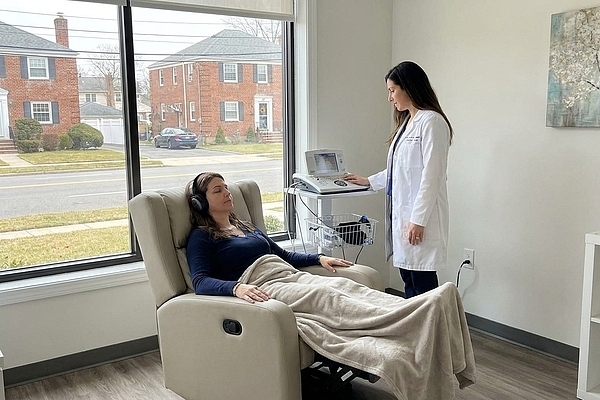



Is It Time to Seek Help After a Traumatic Experience in Rockville Centre?
Trauma doesn't always announce itself with clear symptoms. Sometimes it hides behind irritability, sleepless nights, or the nagging sense that something's just off. Most people in Rockville Centre assume they can tough it out—that time alone will patch up whatever's broken inside. But the brain doesn't work that way. Left unaddressed, trauma can burrow deeper, affecting relationships, work performance, and overall health. Recognizing when you need help isn't about admitting weakness. It's about understanding that some wounds require more than willpower to heal.
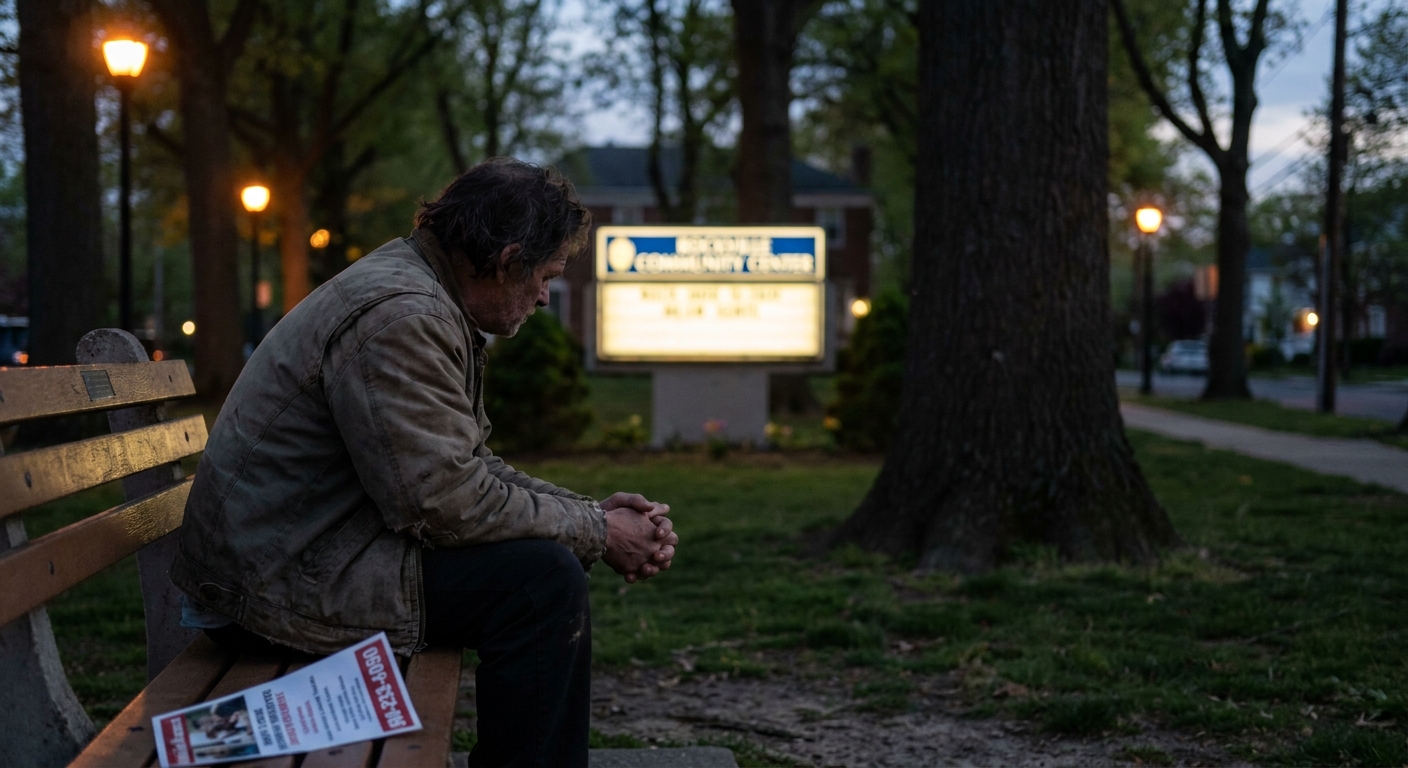
The tricky part? Trauma looks different on everyone. One person might shut down completely while another throws themselves into work or distractions. Neither response is wrong, but both might be masking something that needs professional attention. We've seen too many people wait until things fall apart before reaching out—and by then, the climb back feels steeper than it had to be.
What Trauma Actually Does to You
Your brain's job is to protect you. When something overwhelming happens—a car accident, a violent encounter, sudden loss, or any event that shatters your sense of safety—your system kicks into survival mode. That might mean hypervigilance, emotional numbness, or replaying the event over and over in your mind. These aren't character flaws. They're neurological responses to perceived danger, and they don't just switch off because the threat has passed.
The effects can be sneaky. You might feel fine for weeks, then suddenly get blindsided by panic in a grocery store or during a routine commute. Sleep becomes unreliable. Concentration fractures. Relationships feel strained because you can't explain what's happening inside your own head. The physical toll shows up too—headaches, digestive issues, muscle tension that won't release. Your body is holding onto something your mind hasn't processed yet.
When the Warning Signs Show Up
We don't believe in arbitrary timelines for healing. Some people bounce back quickly; others need months or years. But there are clear indicators that professional support would make a real difference in your recovery. If any of these sound familiar, it's worth considering help sooner rather than later.
- Emotions that won't settle—anger, sadness, or fear that lingers weeks after the event and doesn't seem to ease
- Intrusive thoughts or flashbacks that hijack your day without warning
- Avoidance patterns—steering clear of places, people, or activities that remind you of what happened
- Functional decline at work, school, or home because you can't focus or engage the way you used to
- Leaning on substances to numb the discomfort or make it through the day
- Physical symptoms with no clear medical cause—chronic pain, fatigue, digestive trouble
- Thoughts of self-harm or a persistent sense that things would be easier if you weren't around
Why Professional Help Actually Works
Talk therapy isn't just venting to someone who nods politely. Trauma-focused treatment is designed to help your brain reprocess the experience in a way that reduces its grip on you. Techniques like EMDR, cognitive-behavioral therapy, and somatic approaches target the parts of your nervous system that are stuck in overdrive. The goal isn't to erase what happened—it's to change how your brain responds to the memory so it stops controlling your present.
Rockville Centre has qualified therapists who specialize in trauma recovery, and many offer flexible scheduling or telehealth options. Working with a professional gives you tools you can't easily develop on your own—strategies for grounding yourself during flashbacks, reframing distorted thoughts, and rebuilding trust in your own safety. It also provides accountability and structure, which can be critical when motivation is low and everything feels pointless.
- A confidential setting where you can speak freely without judgment or pressure
- Evidence-based techniques tailored to your specific symptoms and history
- Validation that what you're experiencing is real and treatable
- Coping skills that reduce symptoms and improve day-to-day functioning
- Support for family members who want to help but don't know how
The Cost of Waiting Too Long
Procrastination compounds trauma. The longer symptoms persist, the more entrenched they become. Avoidance behaviors turn into full-blown phobias. Emotional numbness hardens into chronic disconnection. Relationships that could have been salvaged drift into resentment or collapse entirely. We're not saying this to scare you—we're saying it because the evidence is clear. Early intervention leads to better outcomes, shorter treatment timelines, and less collateral damage to the rest of your life.
Waiting until you hit rock bottom isn't a badge of honor. It's just a longer road back. And if you have dependents—kids, aging parents, a business that relies on you—your unprocessed trauma doesn't stay contained. It spills over into decision-making, emotional regulation, and the energy you have left for the people who need you.
- Symptoms that could resolve in months may take years if left untreated
- Secondary issues like substance dependence or relationship breakdowns become harder to reverse
- Physical health declines as chronic stress takes its toll on your immune and cardiovascular systems
- Work performance suffers, risking job security or career advancement
- Isolation deepens, making it harder to reconnect even when you're ready
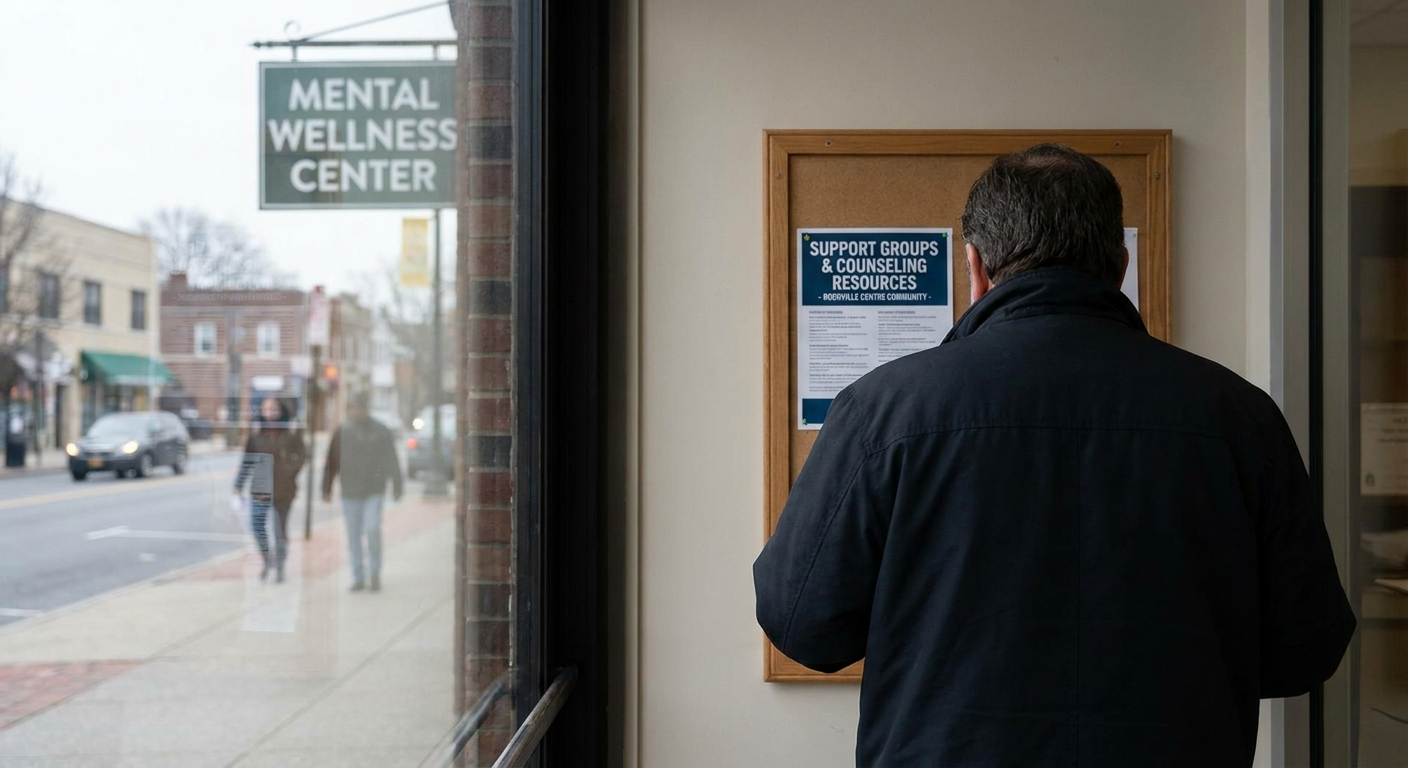
How to Actually Take the First Step
Starting therapy can feel intimidating, especially if you've never done it before or had a bad experience in the past. The good news is that you don't need to have everything figured out before you make the call. Most therapists in Rockville Centre offer a brief consultation to discuss your situation and see if it's a good fit. You're not committing to months of sessions upfront—you're just opening the door to see what's possible.
Look for providers who specialize in trauma, not just general counseling. Ask about their approach and what to expect in the first few sessions. If cost is a concern, many therapists offer sliding scale fees, and insurance often covers mental health services. Community organizations and support groups can also provide resources or referrals. The hardest part is picking up the phone or filling out that intake form. After that, the process gets easier.
- Research local therapists with trauma-specific training and positive reviews
- Check insurance coverage or ask about payment plans if you're paying out of pocket
- Schedule an initial consultation to discuss your needs and gauge the fit
- Be honest about your symptoms—minimizing them only delays effective treatment
- Give it a few sessions before deciding if it's working; progress isn't always immediate
Your Recovery Doesn't Run on a Clock
Healing from trauma isn't linear. Some weeks will feel like breakthroughs; others will feel like setbacks. That's normal. The point isn't to rush through it or meet some external standard of "fine." The point is to regain control over your own mind and body, to stop feeling like a passenger in your own life. Professional help gives you the framework to do that—not because you're broken, but because trauma rewires the brain in ways that require intentional, guided intervention to undo.
We work with people every day who thought they'd never feel normal again. They do. It takes time, effort, and the right support—but it happens. If you're in Rockville Centre and you're wondering whether it's time, the answer is probably yes. Waiting won't make it easier. Reaching out will.
Let's Start Your Healing Journey Together
We know how overwhelming it can feel to take that first step toward recovery, but you don’t have to do it alone. Together, we can help you move forward and reclaim the peace and confidence you deserve. If you’re ready to talk, call us at 516-266-9110 or schedule an appointment—let’s take this important step together.
‹ Back
Recent Posts
-

-
-
Could Constant Worry Be Generalized Anxiety Disorder in Rockville Centre?
September 17, 2026
-
Do You Need Therapy or Medication Management in Rockville Centre?
September 3, 2026
-