


Can Ketamine Help With Treatment Resistant Depression? What to Know About Treatment in Rockville Centre
Most people think depression treatment is all about SSRIs and talk therapy. Pills in, emotions out. But for those who've tried the conventional routes without relief, there's a different conversation happening—and if you're not part of it, you might be missing a real breakthrough. Ketamine isn't new to medicine, but its use for treatment-resistant depression is forcing clinicians to rethink what rapid relief actually looks like. Especially for those who've been stuck in the same loop for years.
So here's the reality. If you're battling depression that won't quit, ketamine therapy might be worth exploring. Just don't assume it's a magic bullet. Every treatment plan should be built on proper evaluation. Every session needs medical oversight. And every decision should be grounded in whether the science fits your situation—not just whether it sounds cutting-edge.
When Traditional Treatments Stop Working
Nine times out of ten, standard depression treatments help. You try psychotherapy, you adjust medications, you build coping strategies—that's the playbook. The issue is when none of it moves the needle. Some people cycle through SSRIs, SNRIs, and cognitive-behavioral therapy protocols without ever feeling stable.
That's where ketamine comes in. Originally an anesthetic, ketamine has shown the ability to reduce depression symptoms fast—sometimes within hours. We've watched this unfold in clinical settings across the country. Patients who thought relief was impossible suddenly report shifts in mood and mental clarity. When the standard protocols fail, ketamine offers a different pathway. And at Total Mind Wellness Group in Rockville Centre, that pathway is now accessible.
What Makes Ketamine Different
You can't compare ketamine to a typical antidepressant—it doesn't work the same way. Traditional meds target serotonin or norepinephrine and take weeks to show effects. Ketamine acts on glutamate and NMDA receptors, triggering changes in brain connectivity that can happen almost immediately.
Here's what sets it apart:
- Speed of relief—many patients notice improvement within hours or days, not weeks
- Mechanism of action—works on glutamate pathways instead of serotonin systems
- Neuroplasticity boost—helps the brain form new synaptic connections that support mood regulation
- Short treatment window—initial series often spans just a few weeks
- Potential for long-term benefit—some patients maintain improvement with periodic maintenance sessions
Ketamine Therapy at Total Mind Wellness Group
At Total Mind Wellness Group, we offer ketamine therapy as part of our comprehensive mental health care. Our clinic is staffed by professionals trained in administering ketamine safely, and we integrate this treatment into a broader strategy tailored to your needs.
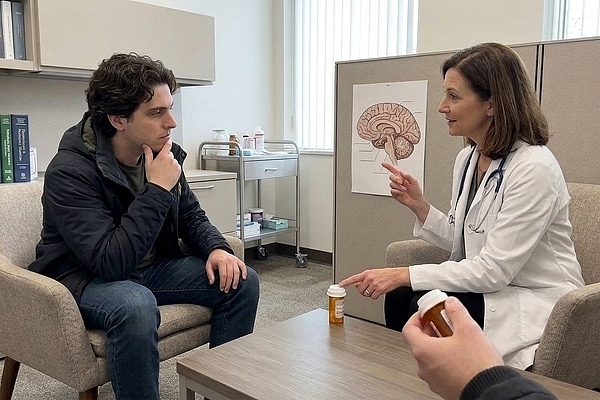
When you work with us, you get more than just availability. Our team conducts thorough assessments, tailors treatment to your history, and monitors you throughout the process. We coordinate with your existing therapist or psychiatrist to make sure ketamine fits into your broader treatment strategy. We ask detailed questions and provide ongoing follow-up support because that's what responsible care looks like.
Who Should Consider Ketamine Therapy
Ketamine isn't for everyone, and that's the point. It's designed for people who've exhausted other options. If you've tried multiple medications without success, if therapy alone hasn't been enough, or if your depression is severe enough to disrupt daily life, you might be a candidate.
Before you start, expect a full evaluation. Providers need to know:
- Your complete medication history, including what worked and what didn't
- Any underlying medical conditions that could interact with ketamine
- Current psychiatric diagnoses and treatment approaches
- Your goals for treatment and what relief looks like to you
- Whether you have support during and after sessions
The Session Itself Is Controlled and Monitored
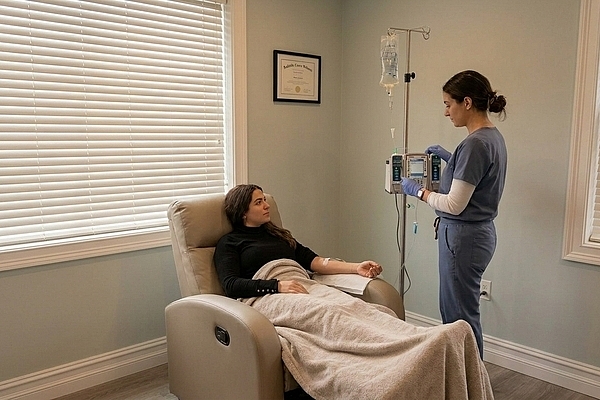
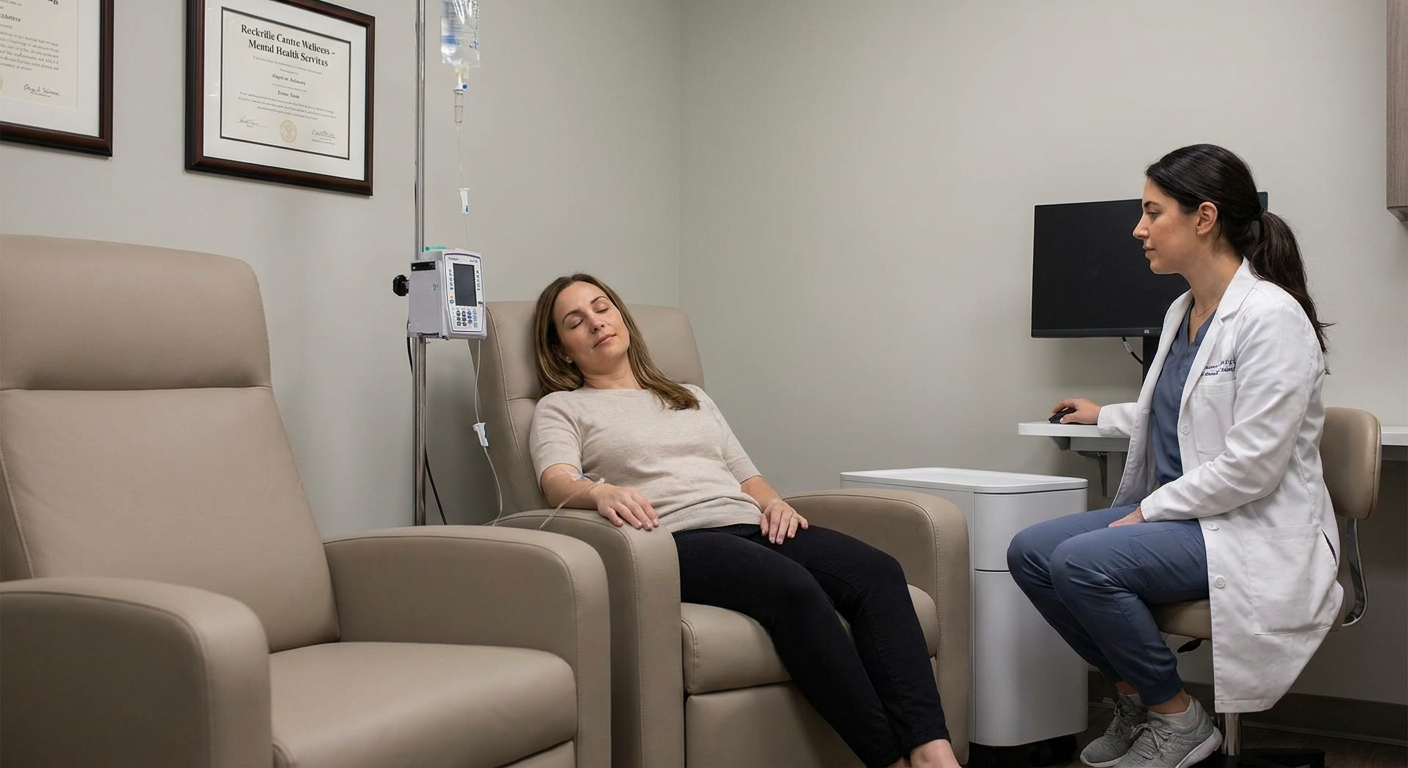
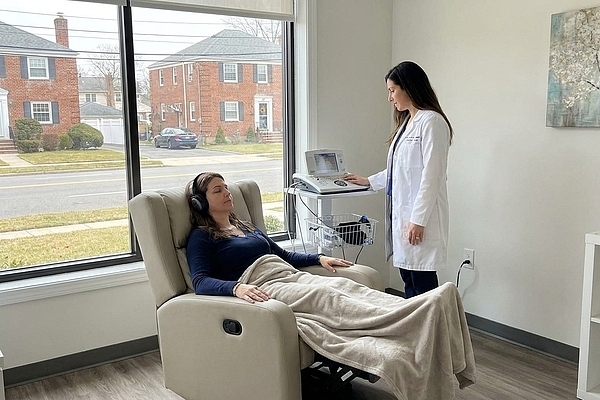
Ketamine therapy happens in a clinical environment under direct medical supervision. You'll either receive an IV infusion, an intramuscular injection, or a nasal spray—depending on the protocol and your specific needs. Sessions typically last 40 minutes to an hour, and you'll be monitored the entire time.
Most patients describe the experience as calming or mildly dissociative. You're awake, but your perception shifts. Some people feel floaty or introspective. Others notice a temporary detachment from their usual depressive thought patterns. Afterward, you'll rest in the clinic for observation before heading home. Don't plan to drive yourself—bring someone or arrange a ride.
What Happens After Treatment
Ketamine doesn't just stop when the infusion ends. We offer integration sessions to help you process what happened during treatment and build on any progress. This is where the work continues—connecting the neurochemical shifts to real-world changes in how you handle stress, triggers, and daily challenges.
Here's what post-treatment care often includes:
- Follow-up consultations to assess symptom improvement
- Collaboration with your therapist to reinforce new coping strategies
- Maintenance sessions scheduled based on how long relief lasts
- Adjustments to dosing or frequency if initial results plateau
- Ongoing monitoring for any side effects or changes in mental state
Common Concerns We Hear
People hesitate for a few reasons. Some worry about ketamine's reputation as a party drug. Others question whether the effects are real or just temporary. And plenty wonder if insurance will cover it—or if they're signing up for an expensive experiment.
Here's the straight answer. Ketamine therapy is medical-grade, administered by professionals, and backed by growing research. It's not recreational use. The dissociative effects are controlled and short-lived. As for cost, coverage varies—some insurers are starting to recognize it, others aren't there yet. Check with your provider and your plan before committing.
The Research Backs the Buzz
This isn't hype without substance. Clinical trials have shown ketamine's effectiveness for treatment-resistant depression. Studies document rapid symptom reduction, improved quality of life, and sustained benefits with proper maintenance. The FDA has even approved a ketamine derivative for depression, signaling broader acceptance in psychiatric care.
That said, we're still learning. Long-term data is accumulating, and protocols are being refined. Ketamine isn't a permanent fix for everyone, and some patients respond better than others. But for those who've run out of options, the evidence is compelling enough to warrant serious consideration.
When to Bring In Professional Guidance
If your depression has resisted multiple treatments, if you're considering ketamine but unsure where to start, or if you've already begun sessions and need integration support, professional guidance matters. A psychiatrist or mental health specialist can help you:
- Determine if ketamine is medically appropriate based on your history
- Coordinate treatment across providers to avoid conflicts or gaps
- Monitor for side effects or unexpected reactions
- Adjust your overall mental health plan as ketamine effects unfold
- Set realistic expectations and define what success looks like
Relief That Requires Responsibility
Ketamine therapy offers something traditional treatments sometimes can't—speed. But speed doesn't mean you skip the groundwork. Documentation, medical clearance, ongoing monitoring, and integration all matter. At Total Mind Wellness Group, we don't just hand you an infusion and send you home. We build a framework around the treatment so the benefits stick.
If depression has been running your life despite everything else you've tried, ketamine might be the next step. Just make sure you're working with people who know what they're doing—and who treat your mental health like the serious, long-term investment it is.
Ready to Explore a New Path Forward?
We know how exhausting it can be to search for answers when depression just won't let up. If you're curious about whether ketamine therapy could be the breakthrough you've been waiting for, let's talk it through together. Reach us directly at 516-266-9110 or Schedule An Appointment and take the first step toward a different kind of relief.
‹ Back
Recent Posts
-
-

Could Constant Worry Be Generalized Anxiety Disorder in Rockville Centre?
September 17, 2026
-
Do You Need Therapy or Medication Management in Rockville Centre?
September 3, 2026
-
-