



Is Trouble Sleeping Linked to Ongoing Stress?
Your body doesn't shut down stress just because the lights go out. It keeps running, keeps firing, keeps you staring at the ceiling while everyone else sleeps. And if you think that's just bad luck or too much coffee, think again. Stress doesn't take nights off — and when it sticks around long enough, it rewires how your brain handles rest.
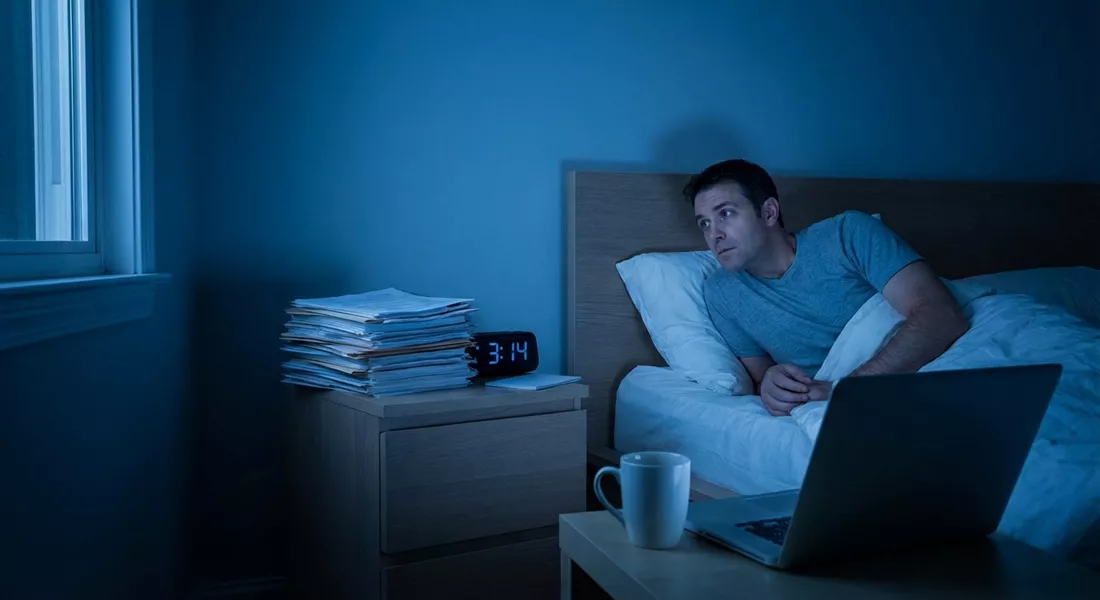
We're not talking about the occasional restless night. We're talking about the kind of sleep disruption that follows you week after week, leaving you exhausted but wired, drained but unable to drift off. That's not coincidence. That's your nervous system stuck in overdrive, and it's directly tied to the stress you're carrying during the day.
Your Brain Treats Stress Like a Threat
When stress hits, your body doesn't care if it's a deadline or a predator. It reacts the same way — flooding your system with cortisol and adrenaline, prepping you to fight or run. That response works fine in short bursts. But when stress becomes chronic, those hormones don't fade. They linger, keeping your brain alert when it should be winding down.
That's why your mind races at night. Your body is still in threat mode, scanning for problems, replaying conversations, running through worst-case scenarios. Sleep requires calm. Stress delivers the opposite. And the longer that imbalance lasts, the harder it becomes to break the pattern.
What Happens When Sleep Gets Disrupted
Ongoing stress doesn't just make falling asleep harder. It fragments the entire night. You might drift off eventually, only to wake up an hour later. Or you sleep through but never hit the deep stages that actually restore your body. Either way, you wake up feeling like you didn't rest at all.
Here's what that looks like in practice:
- Your mind won't quiet down, even when you're physically exhausted
- You wake up multiple times without any clear reason
- You're up before your alarm, unable to fall back asleep
- You sleep the full night but still feel drained in the morning
- Your body feels tense, even in bed
Poor Sleep Makes Stress Worse
Here's the part most people miss. Sleep deprivation doesn't just leave you tired — it makes you more reactive to stress. When you're running on empty, your emotional regulation tanks. Small frustrations feel massive. Everyday decisions become overwhelming. And your body keeps pumping out more cortisol, feeding the cycle.
So now you're stressed because you can't sleep, and you can't sleep because you're stressed. That loop tightens fast, and without intervention, it becomes your new normal. The longer it goes, the harder it is to remember what good sleep even feels like.
Signs Your Sleep Problems Are Stress-Driven
Not every sleep issue stems from stress, but if you're dealing with chronic pressure, the connection is worth examining. Pay attention to patterns. Are you lying awake replaying the day? Do you wake up with your jaw clenched or your shoulders tight? Is your first thought in the morning about everything you have to handle?
Common indicators include:
- Trouble falling asleep despite being tired
- Waking up feeling unrested, no matter how long you slept
- Increased irritability or emotional sensitivity during the day
- Difficulty focusing or making decisions
- Physical tension like headaches or muscle soreness
Breaking the Cycle Takes Intention
You can't just will yourself to sleep better, but you can create conditions that make rest more likely. That means addressing both the stress and the sleep habits feeding into each other. It's not about perfection — it's about consistency and giving your nervous system a chance to downshift.
Start with the basics. Your bedtime routine matters more than you think. If you're scrolling through your phone or answering emails right up until you turn off the light, your brain never gets the signal to wind down. Build in a buffer — something that tells your body it's time to shift gears.
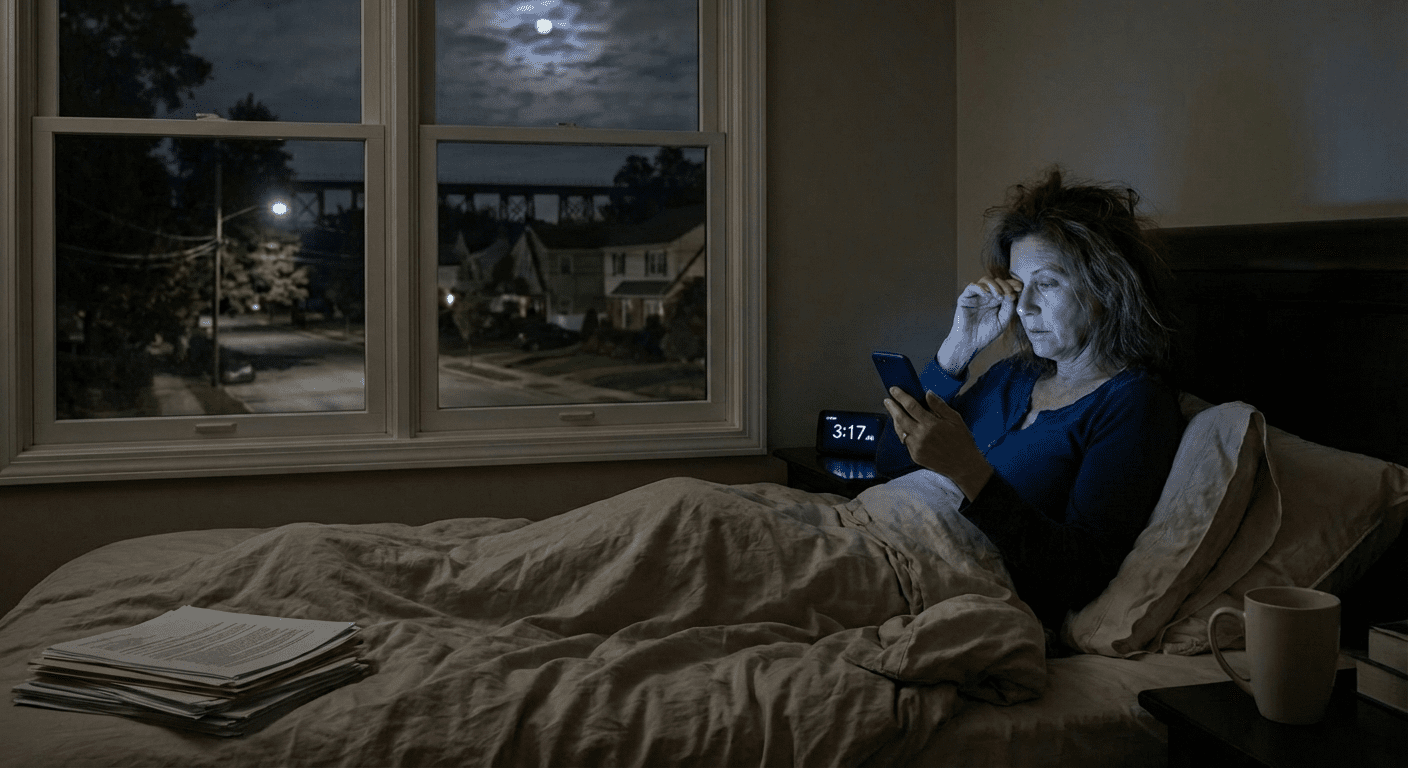
Practical Moves That Actually Help
We're not here to sell you on miracle cures or expensive gadgets. What works is straightforward, but it requires follow-through. These aren't one-time fixes — they're habits that compound over time.
- Set a consistent sleep schedule, even on weekends
- Dim the lights and cut screens at least an hour before bed
- Try deep breathing or progressive muscle relaxation to calm your nervous system
- Move your body during the day, but not right before sleep
- Keep your bedroom cool, dark, and free of distractions
When to Bring in Outside Help
If you've tried the basics and you're still stuck, don't tough it out. Chronic stress and sleep deprivation aren't badges of honor — they're warning signs. A therapist or sleep specialist can help you identify what's driving the cycle and build a plan that actually fits your life.
Sometimes the issue isn't just habits. It's unresolved anxiety, unprocessed trauma, or a nervous system that's been running hot for so long it doesn't know how to reset. That's not something you fix with a better pillow. That's where professional support makes the difference.
- Cognitive behavioral therapy for insomnia (CBT-I) is proven to work
- Mindfulness-based stress reduction can help regulate your nervous system
- Medication may be appropriate in some cases, but it's not a long-term solution on its own
- Sleep studies can rule out underlying conditions like sleep apnea
Small Shifts Add Up Over Time
You won't fix months or years of poor sleep in a single night. But you can start making changes today that shift the trajectory. Every time you choose a calming activity over doomscrolling, every time you stick to your sleep schedule even when it's inconvenient, you're retraining your brain.
Stress and sleep are tangled together, but that also means improving one helps the other. The goal isn't to eliminate stress entirely — that's not realistic. The goal is to stop letting it hijack your rest. Because when you sleep better, you handle stress better. And when you handle stress better, you sleep better. That's the cycle worth building.
Rest Isn't Optional
Ongoing stress will keep stealing your sleep if you let it. But you don't have to accept that as permanent. The link between the two is real, backed by research, and playing out in your body every night. Recognizing it is the first step. Acting on it is what changes the outcome. Your nervous system needs downtime to function. Give it that chance, and everything else gets easier.
Let's Take the First Step Toward Better Sleep
We know how exhausting it is to feel stuck in the cycle of stress and sleepless nights. You don’t have to navigate this alone—together, we can find strategies that help you reclaim restful nights and calmer days. If you’re ready to break the pattern, call us at 516-266-9110 or schedule an appointment and let’s start your journey to better sleep and less stress.

‹ Back
Recent Posts
-

-
-

Could Constant Worry Be Generalized Anxiety Disorder in Rockville Centre?
September 17, 2026
-
Do You Need Therapy or Medication Management in Rockville Centre?
September 3, 2026
-