



When Low Energy in Rockville Centre Feels Like More Than Burnout
Most people in Rockville Centre chalk up exhaustion to the grind. Long hours, packed schedules, endless obligations. Rest up, power through, repeat. But what happens when sleep doesn't fix it? When a weekend off leaves you just as drained as Monday morning? That's when fatigue stops being a symptom of stress and starts looking like something the body's trying to tell you.
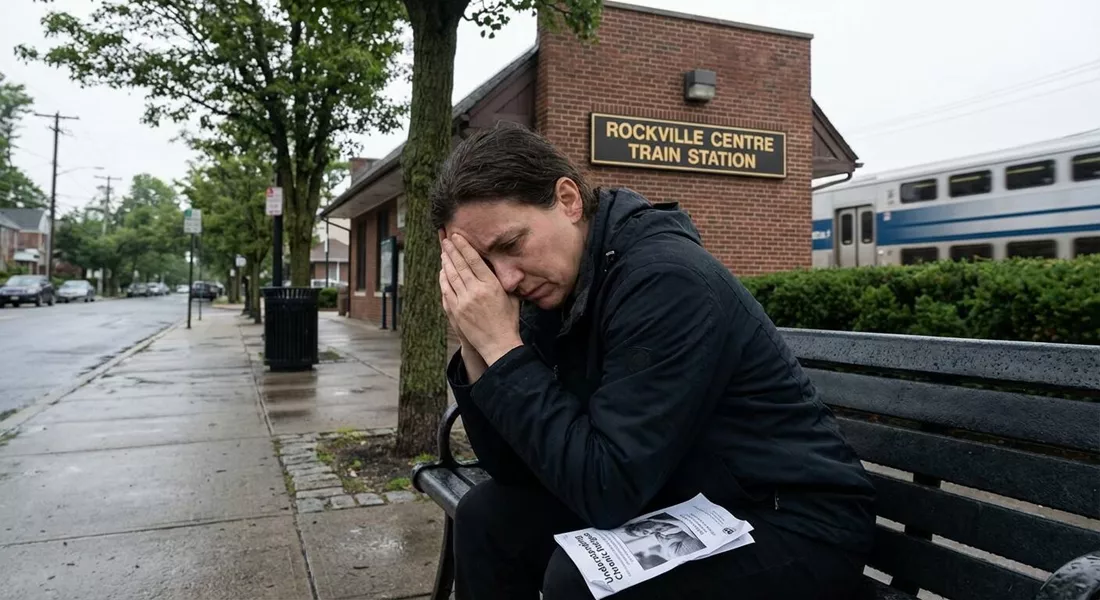
We're not talking about needing aneding an extra coffee or feeling sluggish after a late night. This is the kind of tired that sits in your bones. The kind that makes getting out of bed feel like a negotiation. And if it's been weeks—or months—it's worth asking whether burnout is really the full story.
Burnout Has an Expiration Date
Burnout is real. It shows up after too many deadlines, too little downtime, and too much emotional output with nothing left in the tank. You feel detached, cynical, maybe even resentful of things you used to care about. It's a psychological drain that comes from chronic stress, and it responds to rest, boundaries, and a shift in how you're spending your energy.
But here's the thing—burnout improves when you step back. Take a few days off, unplug from work, sleep in, and you start to feel human again. If that's not happening, if the fog won't lift no matter what you do, then you're dealing with something else. And pretending it's just stress won't make it go away.
Your Body Keeps the Receipts
Fatigue that won't quit isn't lazy. It's not a character flaw or a sign you need to toughen up. It's your body waving a red flag, and ignoring it only makes the problem worse. Rockville Centre has access to solid healthcare, so there's no reason to sit on symptoms that are stealing your quality of life.
Persistent low energy can point to a range of medical issues, some of which are easy to treat once identified. Others require more attention. Either way, you won't know until you dig in. And the longer you wait, the harder it gets to bounce back.
What Might Be Draining You
There are plenty of conditions that masquerade as burnout but require actual medical intervention. Some are common. Some fly under the radar. All of them deserve a closer look if your energy has flatlined.
- Thyroid imbalances: When your thyroid's off, everything slows down—or speeds up in ways that leave you wrecked either way.
- Sleep disorders: Apnea, insomnia, restless leg syndrome—if your sleep's broken, your energy will be too.
- Mental health struggles: Depression and anxiety don't just mess with your mood. They sap your physical stamina and make everything feel harder.
- Chronic fatigue syndrome: This one's tricky. The exhaustion is severe, doesn't improve with rest, and often gets worse with activity.
- Nutritional gaps: Low iron, B12, or vitamin D can tank your energy faster than you'd think.
- Blood sugar issues: Diabetes or prediabetes can leave you feeling wiped, especially if it's undiagnosed or poorly managed.
- Cardiovascular problems: If your heart's struggling, your body isn't getting the oxygen it needs. Fatigue follows.
Red Flags That Demand Attention
If your fatigue has stuck around for more than a few weeks, it's time to stop guessing. Especially if it's paired with other symptoms—unexplained weight shifts, mood changes, brain fog, muscle weakness, or pain that doesn't have an obvious cause. These aren't things to ride out. They're clues.
In Rockville Centre, you've got access to primary care doctors, specialists, and diagnostic tools that can help you get answers. Use them. Don't wait until the problem escalates or starts interfering with work, relationships, or basic daily function. The earlier you catch it, the easier it is to fix.
What You Can Do Right Now
While you're working with a healthcare provider to figure out what's going on, there are practical steps you can take to support your body and give yourself the best shot at feeling better.
- Stick to a consistent sleep schedule, even on weekends.
- Fuel your body with whole foods—lean proteins, vegetables, healthy fats.
- Drink water throughout the day, not just when you're thirsty.
- Move your body in ways that feel good, even if it's just a walk around the block.
- Manage stress with techniques that actually work for you—meditation, journaling, breathing exercises.
- Stay connected to people who support you, whether that's friends, family, or a therapist.
Documentation Backs Up Your Case
When you go in for an appointment, bring details. How long have you been feeling this way? What makes it better or worse? Are there patterns—times of day, activities, foods? The more specific you can be, the easier it is for your doctor to narrow down what's happening.
Keep a log if you need to. Track your energy levels, sleep quality, mood, and any physical symptoms. It might feel tedious, but it gives your provider real data to work with. And if you're dealing with something that requires testing or referrals, that documentation speeds up the process.

Common Mistakes That Slow Recovery
We see people make the same missteps over and over, and they all lead to the same place—more time feeling terrible, less clarity on what's wrong.
- Dismissing symptoms as normal: Just because fatigue is common doesn't mean it's fine. If it's affecting your life, it's worth investigating.
- Self-diagnosing and self-treating: Google can point you in a direction, but it can't run labs or prescribe treatment. Leave that to the professionals.
- Skipping follow-ups: If your first round of tests comes back normal, don't stop there. Sometimes it takes multiple visits to get the full picture.
- Ignoring mental health: Physical and mental health are connected. If your energy is low and your mood is tanking, both need attention.
- Waiting for it to get worse: The longer you sit on symptoms, the harder they are to reverse. Early intervention matters.
When to Bring in a Specialist
Your primary care doctor is a great starting point, but if your fatigue is complex or doesn't respond to initial treatment, you may need to see a specialist. Endocrinologists handle thyroid and hormone issues. Sleep specialists can diagnose and treat sleep disorders. Cardiologists assess heart function. Psychiatrists and therapists address mental health.
Don't be afraid to ask for referrals. If your doctor isn't taking your concerns seriously or isn't offering next steps, find someone who will. You know your body better than anyone, and you deserve answers.
Frequently Asked Questions
- Can stress alone cause long-term fatigue? Stress can absolutely drain you, but if rest and stress management don't help, there's likely something else at play.
- How long should I wait before seeing a doctor? If your fatigue has lasted more than two to three weeks and isn't improving, schedule an appointment.
- What tests might my doctor order? Common tests include blood work to check thyroid function, vitamin levels, blood sugar, and markers of inflammation or anemia. Sleep studies may also be recommended.
- Is chronic fatigue syndrome curable? There's no cure, but symptoms can be managed with a combination of lifestyle changes, therapy, and sometimes medication management.
- Can diet really make that big of a difference? Yes. Nutritional deficiencies and blood sugar imbalances can directly impact energy levels, and addressing them often leads to noticeable improvement.
Your Energy Isn't Negotiable
Living in Rockville Centre means juggling a lot. But you can't show up for any of it if your body's running on empty. Low energy that won't quit isn't something to push through or normalize. It's a signal, and the smartest thing you can do is listen.
Get the tests. Ask the questions. Make the changes. Your energy isn't a luxury—it's the foundation for everything else. And the sooner you treat it that way, the sooner you'll feel like yourself again.
Let's Get You Back to Feeling Like Yourself
We know how frustrating it is when fatigue lingers and nothing seems to help. You don’t have to figure it out alone—let’s work together to uncover what’s really going on and get you back to your best. Give us a call at 516-266-9110 or schedule an appointment so we can help you reclaim your energy and your life.

‹ Back
Recent Posts
-

-

-

Could Constant Worry Be Generalized Anxiety Disorder in Rockville Centre?
September 17, 2026
-
Do You Need Therapy or Medication Management in Rockville Centre?
September 3, 2026
-