

Can Ketamine Therapy in Rockville Centre Help With PTSD?
PTSD doesn't just sit in the background. It crashes through your day — uninvited, unrelenting, and hard to shut down. The flashbacks hit without warning. Sleep becomes a battleground. Traditional treatments help plenty of people, but they don't work for everyone. And when psychotherapy and SSRIs fall short, the search for alternatives gets urgent. That's where ketamine enters the picture — not as a miracle cure, but as a legitimate clinical option gaining traction in communities like Rockville Centre.
The real question isn't whether ketamine is interesting. It's whether it actually moves the needle for PTSD patients who've been stuck in neutral for years. We're looking at fast-acting relief, neurological rewiring, and a treatment model that breaks from the standard playbook. But like anything in mental health, it requires the right setup, proper oversight, and realistic expectations.
How Ketamine Rewires the Brain
Most antidepressants tinker with serotonin. Ketamine goes after glutamate — the neurotransmitter responsible for learning, memory, and how your brain forms connections. PTSD often stems from neural circuits that got stuck replaying trauma on a loop. Ketamine works as an NMDA receptor antagonist, which sounds technical but boils down to this: it interrupts those loops and creates space for new pathways to form.
Research shows this mechanism can produce rapid symptom reduction, sometimes within hours. That's a sharp contrast to traditional meds that take weeks to build up in your system. For someone living with constant hypervigilance or intrusive thoughts, that speed matters. Clinical trials continue to explore its potential, and early findings suggest ketamine may help reset the brain's response to trauma in ways other drugs can't.
What Makes This Treatment Different
- Speed of Relief: Patients often notice mood shifts, reduced anxiety, and fewer intrusive thoughts within the first few sessions.
- Works When Other Treatments Don't: If you've cycled through multiple therapies or medications without success, ketamine offers a distinct mechanism worth exploring.
- Supports Therapy Integration: Many patients find that ketamine creates mental clarity that makes psychotherapy more productive and less overwhelming.
- Administered in Controlled Settings: This isn't something you pick up at a pharmacy. Sessions happen under medical supervision, ensuring safety and proper dosing.
- Low Incidence of Major Side Effects: Mild dissociation or brief nausea can occur, but serious complications are rare when protocols are followed correctly.
The Treatment Process in Rockville Centre
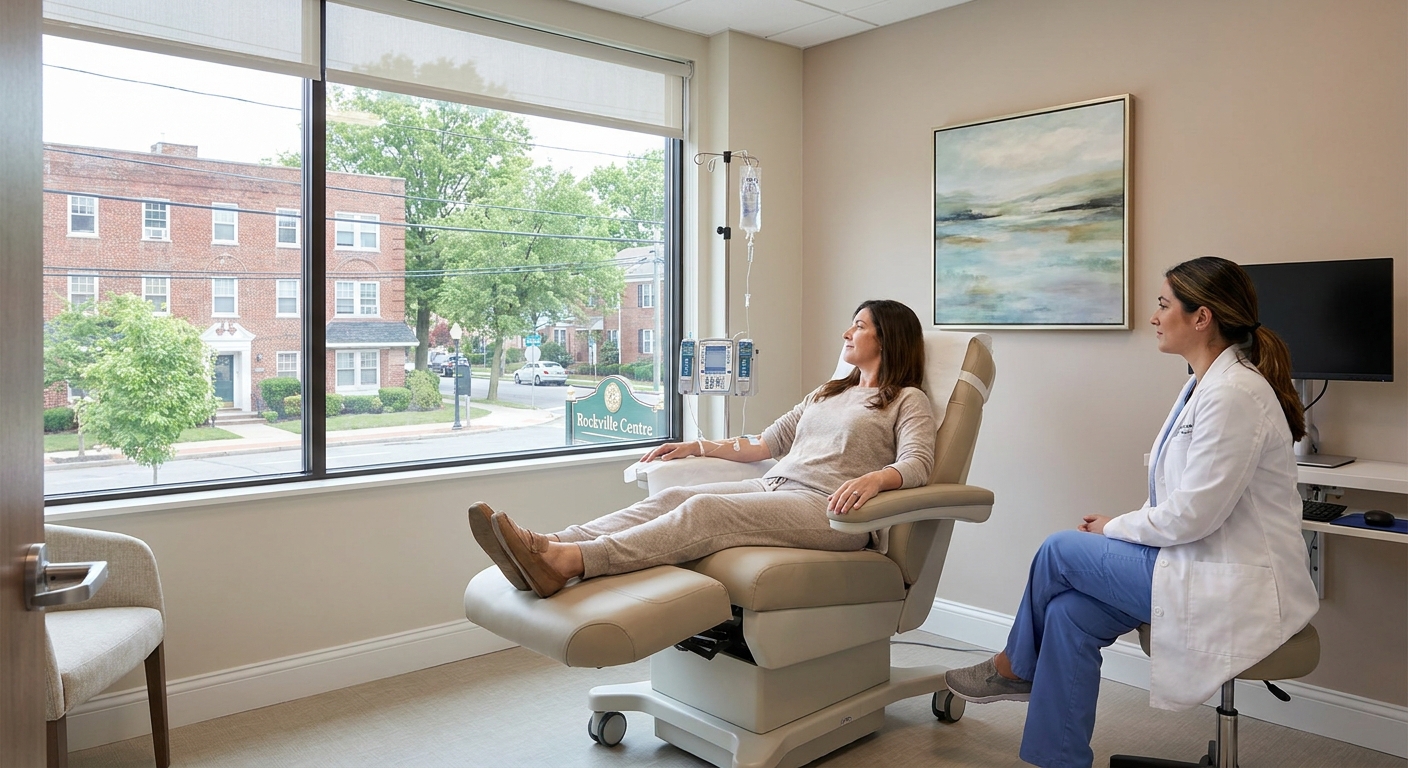
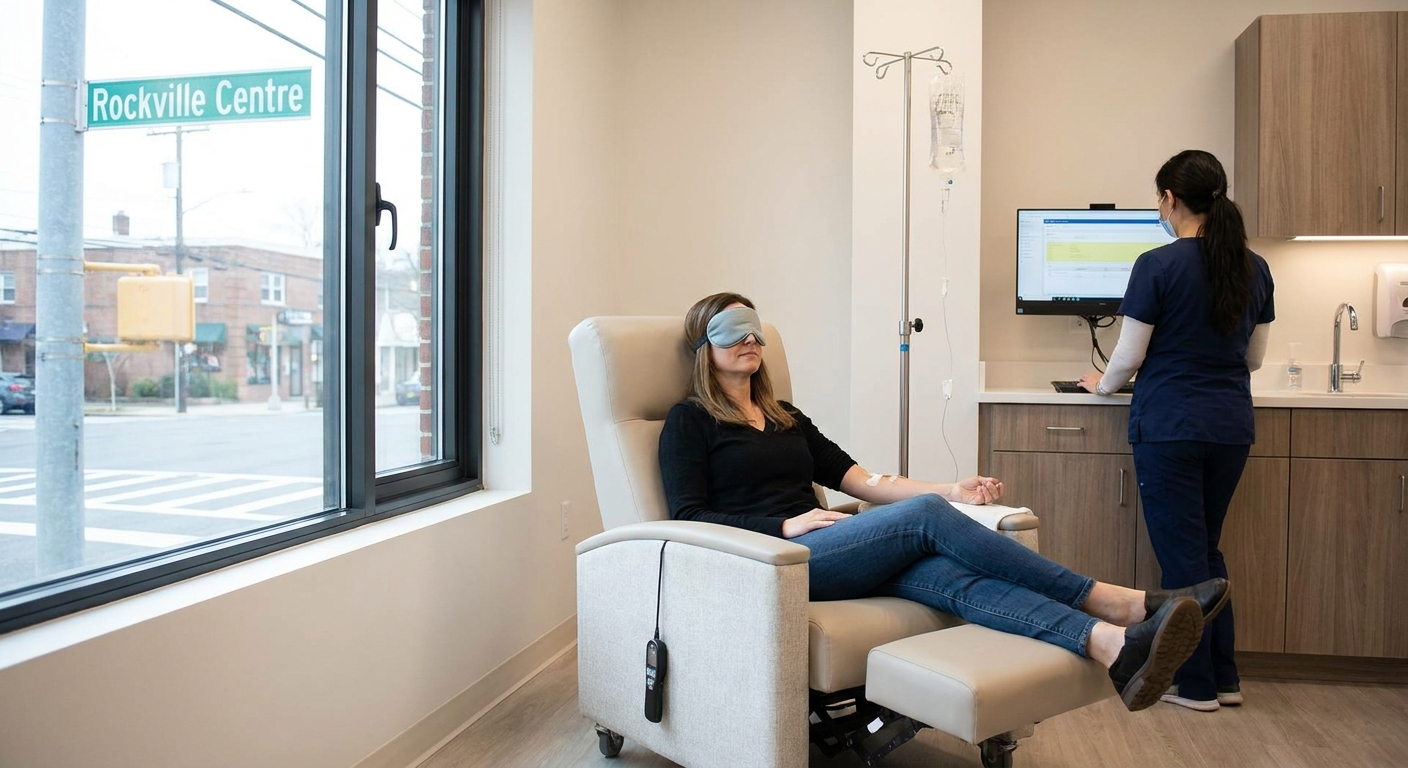
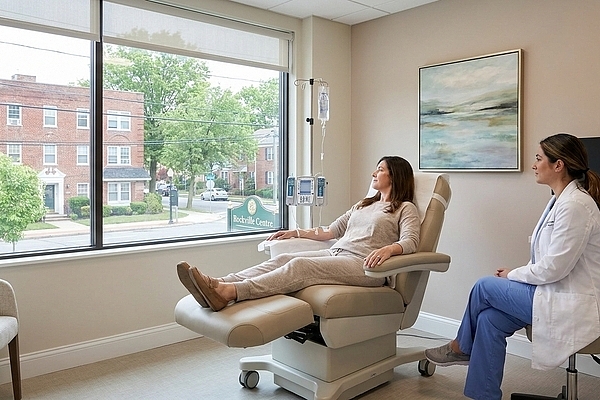
Getting started involves a thorough evaluation. Providers need to confirm that ketamine is appropriate for your specific situation and rule out contraindications like uncontrolled cardiovascular issues or active substance use disorders. Once cleared, most patients receive a series of infusions over several weeks — typically six to eight sessions to start.
Each session lasts about 40 to 60 minutes. You're monitored throughout, and the experience is often described as introspective or calming. Some people report a shift in how they process traumatic memories — less emotional charge, more cognitive distance. After the initial course, maintenance sessions help sustain progress, especially when paired with ongoing therapeutic support.
Who Benefits Most From Ketamine Therapy
- Treatment-Resistant PTSD: If standard interventions haven't delivered relief, ketamine offers a scientifically backed alternative.
- High Symptom Burden: Severe anxiety, frequent flashbacks, or debilitating hypervigilance make strong candidates for rapid-acting interventions.
- Patients Open to Combination Care: Ketamine works best when integrated with therapy, lifestyle adjustments, and a solid support system.
- Those Seeking Non-Opioid Solutions: Ketamine doesn't carry the addiction risk of opioids, making it safer for long-term symptom management.
What Ketamine Won't Do
It's not a standalone fix. Ketamine can open doors, but it won't walk through them for you. The neurological shifts it creates need to be reinforced with therapy, healthy routines, and intentional work on the psychological side. Expecting ketamine alone to resolve years of trauma is setting yourself up for disappointment.
Also, not everyone qualifies. History of psychosis, certain heart conditions, or unmanaged substance use can disqualify you. That's why working with a clinic that takes screening seriously is non-negotiable. Cutting corners on the evaluation process increases risk without improving outcomes.
Choosing a Reputable Provider
- Board-Certified Oversight: Look for clinics staffed by psychiatrists or anesthesiologists trained in ketamine administration.
- Comprehensive Intake Process: Proper providers conduct medical history reviews, mental health assessments, and risk evaluations before treatment begins.
- Integrated Care Models: The best outcomes happen when ketamine is paired with cognitive behavioral therapy, not used in isolation.
- Transparent Pricing and Protocols: Avoid clinics that make exaggerated claims or skip over side effects and limitations.
Real Progress Requires Real Follow-Through
Ketamine therapy in Rockville Centre isn't experimental anymore — it's evidence-based, clinically supervised, and increasingly accessible. But it's also not magic. The people who see lasting results are the ones who treat it as part of a broader recovery strategy. That means showing up for therapy, maintaining relationships, and doing the hard work between sessions.
If you've been fighting PTSD with limited success, ketamine might be the reset you need. Just make sure you're working with professionals who understand the science, respect the risks, and commit to supporting your recovery beyond the infusion chair. Relief is possible, but only when the treatment is backed by structure, honesty, and follow-through.
Let's Take the Next Step Together
PTSD doesn't have to dictate the pace of your life. If you're ready to explore new options and want a team that listens, guides, and supports you every step of the way, we're here to help. Reach out to us at 516-266-9110 or schedule an appointment and let's move forward together toward real healing.
‹ Back
Recent Posts
-
Can Ketamine Therapy in Rockville Centre Help With PTSD?
October 29, 2026
-

-
-
Could Constant Worry Be Generalized Anxiety Disorder in Rockville Centre?
September 17, 2026
-
Do You Need Therapy or Medication Management in Rockville Centre?
September 3, 2026