

Could Ketamine Therapy in Rockville Centre Help When Depression Persists?
Most people think depression is something you just medicate until it goes away. Take a pill, wait a few weeks, feel better. But anyone who's cycled through three antidepressants and two therapists knows it doesn't always work like that. Sometimes the fog stays. The numbness lingers. And the question becomes less about whether you'll feel better and more about what else is even out there.
That's where ketamine enters the picture. Not as a miracle cure, but as a tool that works differently than what you've already tried. If traditional treatments haven't moved the needle, and you're looking for options in Rockville Centre, ketamine therapy might be worth understanding. Not because it's trendy. Because it targets your brain through a completely separate pathway.
When Two Rounds of Treatment Still Leave You Stuck
Treatment-resistant depression isn't just frustration. It's a clinical term for when you've given two different antidepressants a fair shot — proper dose, proper duration — and neither worked. You followed the protocol. You waited through the side effects. And you're still waking up heavy.
The reality is that millions of people hit this wall. Your brain chemistry didn't respond the way the textbooks said it should. And now you're left wondering if anything will actually help, or if this is just how life feels from now on.
What Ketamine Actually Does in Your Brain
Ketamine has been around for decades as an anesthetic. Hospitals use it. Veterinarians use it. But at lower doses, researchers noticed something unexpected — it pulled people out of depression fast. Not in six weeks. In hours or days.
Here's what makes it different:
- It works on glutamate receptors, not serotonin or norepinephrine like most antidepressants
- It appears to rebuild damaged neural connections and improve brain plasticity
- It can reset mood-regulating circuits that have stopped functioning properly
- The effects often show up within a single session, not after weeks of buildup
- It bypasses the pathways that failed you with previous medications
That shift in mechanism matters. If your brain didn't respond to SSRIs or SNRIs, ketamine isn't just another version of what already didn't work. It's a different approach entirely.
How Treatment Works in Rockville Centre
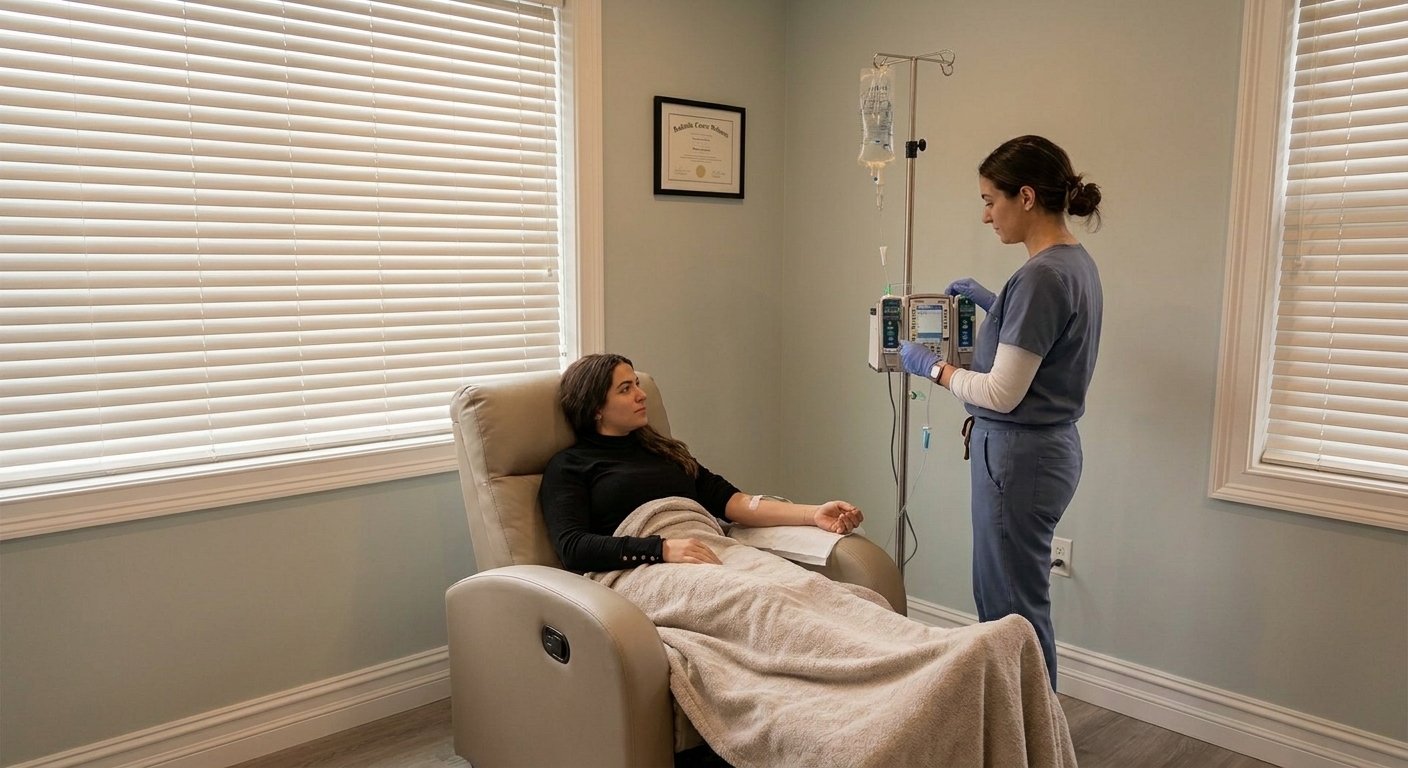
Ketamine therapy isn't something you pick up at a pharmacy. It's administered in a clinical setting under medical supervision. Most providers offer it through IV infusions, though some use intramuscular injections or nasal sprays.
Before you ever sit down for a session, you'll go through an evaluation. That's where the provider figures out if you're a good candidate based on your history, current medications, and overall health. If you're cleared, you'll start a series of treatments — usually six sessions over two to three weeks.
Each session looks like this:
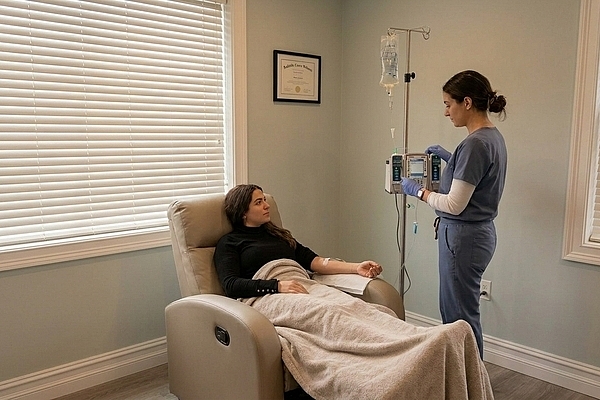
- You settle into a monitored environment, often a recliner or comfortable chair
- The ketamine is administered slowly, typically over 40 minutes to an hour
- You might feel relaxed, slightly disconnected, or experience mild visual changes
- Medical staff stay nearby to track vitals and manage any side effects
- After the infusion, you rest until you're stable enough to leave with a companion
You won't drive yourself home. You won't go back to work that day. But many people report feeling lighter, clearer, or just less stuck within hours of their first dose.
What the Research Says About Effectiveness
Studies back up what patients are experiencing. Ketamine has shown significant results in people with treatment-resistant depression, often where nothing else worked. Some respond after one session. Others need the full initial series to see meaningful change.
But ketamine isn't a permanent fix. The effects can fade, which is why many people need maintenance sessions — sometimes monthly, sometimes quarterly. Think of it less like curing the problem and more like managing it with a tool that actually works for your specific brain.
Who Shouldn't Consider Ketamine Therapy
Ketamine isn't for everyone. You'll be screened out if certain red flags come up during your evaluation. Providers won't move forward if you have:
- Uncontrolled high blood pressure or heart conditions
- A history of psychosis or certain severe psychiatric disorders
- Active substance use disorder, particularly with dissociative drugs
- Pregnancy or plans to become pregnant
- Severe liver disease or other metabolic issues
That's not gatekeeping. That's safety. Ketamine affects your cardiovascular system and your perception. If your body or brain can't handle those shifts, it's not worth the risk.
Common Side Effects You Should Expect
Most people tolerate ketamine well, but it's not side-effect free. During and immediately after treatment, you might notice:
- Nausea or mild dizziness
- Feeling detached from your body or surroundings
- Temporary changes in blood pressure or heart rate
- Vivid thoughts or dreamlike sensations
- Fatigue or grogginess for a few hours post-session
These effects are typically short-lived. If they're intense or don't fade, your provider can adjust the dose or timing. The goal is relief, not discomfort.

Finding the Right Provider Matters
Not all ketamine clinics are created equal. Some are run by experienced psychiatrists who integrate ketamine into a broader treatment plan. Others are more transactional — you show up, get the infusion, and leave.
Look for providers who:
- Conduct thorough mental health evaluations before treatment
- Offer follow-up care and adjust protocols based on your response
- Work alongside your existing therapist or psychiatrist when possible
- Are transparent about costs, insurance coverage, and what to expect
- Have medical staff trained in managing ketamine-specific side effects
If a clinic feels like a ketamine factory, keep looking. This is your brain. You deserve a team that treats it like it matters.
Bringing It All Together Without the Fluff
Persistent depression doesn't respond to willpower or positive thinking. It responds to the right intervention at the right time. If you've already tried the standard options and you're still struggling, ketamine therapy in Rockville Centre offers a scientifically backed alternative that works through a different mechanism. It's not experimental anymore. It's not fringe. It's a legitimate option for people who need something beyond what SSRIs and talk therapy can offer.
But it's also not magic. You'll still need follow-up care. You'll still benefit from therapy. And you'll still need to track what works and what doesn't. Ketamine can open the door — but you're the one who has to walk through it and build what comes next.
Ready to Explore a Different Path?
We know how exhausting it is to keep searching for answers when nothing seems to help. If you're ready to see if ketamine therapy could be the shift you've been waiting for, let's talk it through together. Call us at 516-266-9110 or schedule an appointment and take the next step toward feeling better on your own terms.
‹ Back
Recent Posts
-
Could Constant Worry Be Generalized Anxiety Disorder in Rockville Centre?
September 17, 2026
-
Do You Need Therapy or Medication Management in Rockville Centre?
September 3, 2026
-
-
-

What Is The 24 Hour Rule In Rockville Centre For ADHD?
July 15, 2026