



What Are The 10 Common Warning Signs In Rockville Centre Of A Mental Health Crisis?
Most people think mental health crises happen overnight. They don't. There's usually a buildup — small shifts that turn into bigger ones, patterns that break, behaviors that stop making sense. And if you're not paying attention, those signs slip right past you. In Rockville Centre, we see it play out the same way it does everywhere else. The difference is whether someone notices in time.

So here's what matters. If someone you know is showing warning signs, don't wait for them to ask for help. Most won't. Every signal should be taken seriously. Every conversation could be the one that changes the outcome. And every decision to act — or not — carries weight you can't take back.
Mood Swings That Don't Track
When someone's emotional state starts bouncing between extremes without explanation, that's not just a bad week. We're talking about sudden rage, deep sadness, or manic energy that feels disconnected from what's actually happening in their life. These aren't minor irritations or fleeting frustrations — they're sharp, unpredictable shifts that leave people around them confused or concerned.
The key is whether the mood matches the moment. If it doesn't, and if it keeps happening, that's a red flag worth following up on. Emotional volatility can signal that someone's internal world is unraveling faster than they can manage, and bipolar disorder may be a factor requiring professional evaluation.
Pulling Back From Everything
Isolation doesn't always look dramatic. Sometimes it's just someone who used to show up and now doesn't. They stop answering texts. They skip plans. They fade out of group chats and cancel on people they used to prioritize. And when you ask, they brush it off or make excuses that don't quite land.
Withdrawal is one of the most common early indicators of a mental health crisis. It's also one of the easiest to miss, especially if the person was already introverted or independent. But when the pattern shifts — when someone who was engaged suddenly isn't — that's when we need to pay closer attention, as this can be a sign of depression taking hold.
Sleep and Appetite Go Sideways
Physical routines break down when mental health does. Someone who used to sleep fine is now up all night or sleeping through the day. Someone who ate regularly is now skipping meals or binge eating without control. These aren't lifestyle choices — they're symptoms.
The body reflects what the mind is going through. And when basic functions like sleep or insomnia become erratic, it's often because the person is struggling to regulate emotions, manage stress, or find stability. Don't dismiss these changes as minor. They're not.
Hopelessness Starts Showing Up in Conversation
Listen to what people say when they think no one's really listening. Phrases like "I don't see the point anymore" or "Nothing's going to get better" aren't just venting. They're expressions of despair. And when someone starts talking like the future doesn't exist or doesn't matter, that's a crisis signal.
Hopelessness is one of the most dangerous emotional states because it removes the motivation to keep going. It's not about being pessimistic or having a rough day. It's about losing the belief that things can improve — and that's when intervention becomes critical.
Substance Use Ramps Up Fast
Turning to alcohol, drugs, or other substances to numb emotional pain is a coping mechanism that backfires. When someone who didn't drink much suddenly starts drinking daily, or when recreational use turns into dependency, that's not coincidence. It's avoidance.
Substance use often escalates during a mental health crisis because it offers temporary relief. But it also deepens the problem, creating a cycle that's harder to break the longer it goes on. If you notice this shift, don't wait for it to resolve on its own.
Daily Functioning Falls Apart
When someone can't keep up with work, school, or basic responsibilities, it's not laziness. It's overwhelm. We're talking about missed deadlines, forgotten appointments, neglected hygiene, or an inability to complete tasks that used to be routine. These breakdowns happen because the person's mental resources are maxed out.
Functioning issues are often visible to others before the person in crisis fully realizes how far things have slipped. If someone's performance or reliability has tanked without explanation, that's a sign something deeper is wrong, and psychotherapy can help address the underlying causes.
Physical Complaints Without Medical Cause
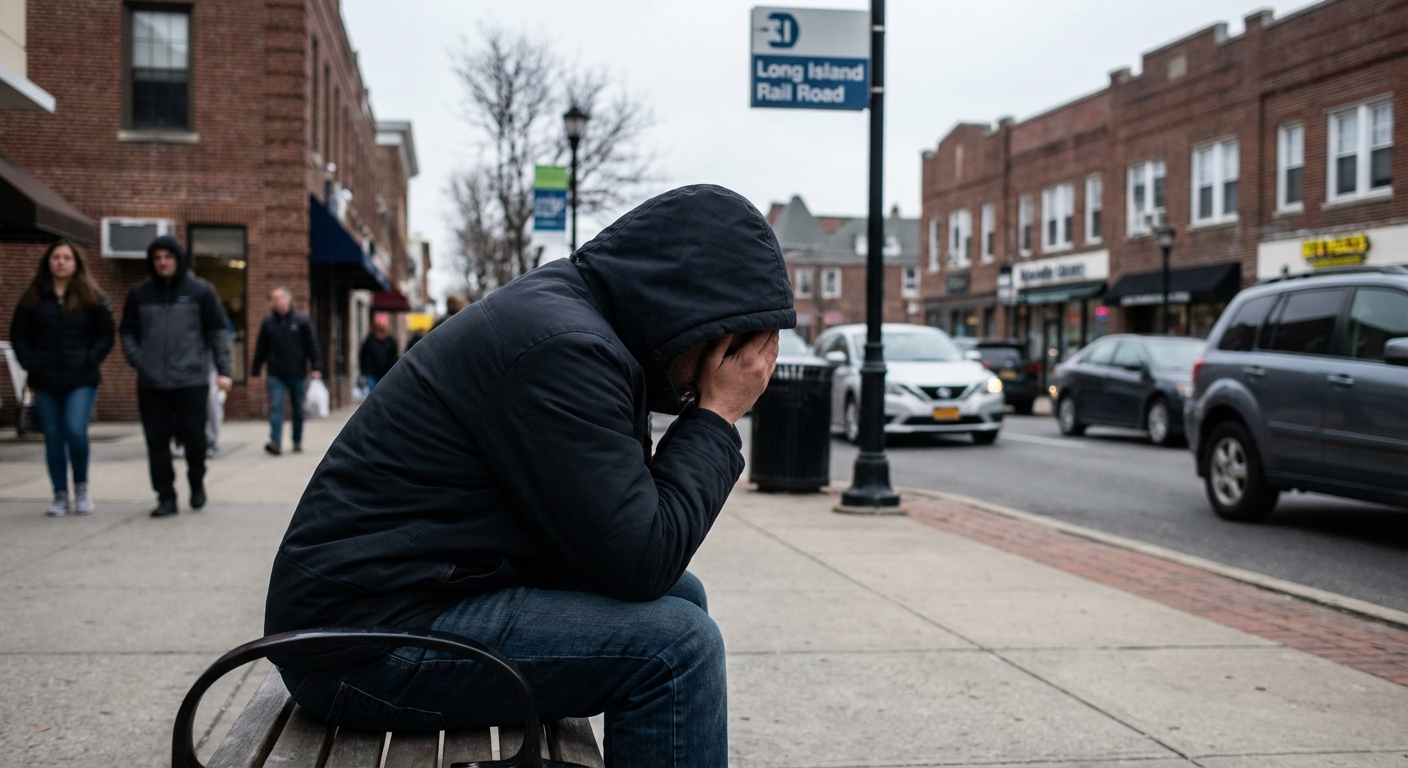
Headaches, stomach pain, fatigue, muscle tension — all of these can be manifestations of emotional distress. When someone keeps complaining about physical symptoms but doctors can't find a cause, the issue may be psychological rather than physiological.
The mind and body aren't separate systems. Stress, anxiety, and depression all have physical effects. And when those effects become chronic or unexplained, it's worth exploring whether mental health is the root cause.
Talk of Death or Suicide Surfaces
Any mention of suicide, dying, or not wanting to be here anymore is an emergency. Even if it's framed as a joke. Even if the person says they're fine afterward. These statements are never casual, and they should never be ignored.
Suicidal ideation doesn't always come with a plan or a timeline. Sometimes it's just a feeling that life isn't worth continuing. But that feeling is dangerous, and it requires immediate professional intervention. Don't assume someone else will handle it. You handle it.
Paranoia or Anxiety Spirals Out of Control
Extreme fear, irrational beliefs, or constant anxiety that disrupts daily life is another major warning sign. This could look like someone who's convinced people are watching them, who can't leave the house without panicking, or who's consumed by worst-case scenarios that don't match reality.
When anxiety or paranoia reaches this level, it's not something the person can just "calm down" from. It's a symptom of a deeper crisis that needs professional support to address, and panic disorders may require specialized treatment approaches.
Self-Harm or Reckless Behavior Appears
Cutting, burning, or other forms of self-injury are direct expressions of internal pain. So are reckless behaviors like dangerous driving, unsafe sex, or putting oneself in harm's way without regard for consequences. These actions are cries for help, even if the person doesn't frame them that way.
Self-harm isn't about attention-seeking. It's about trying to manage unbearable emotions through physical means. And it's a clear indicator that someone is in crisis and needs intervention now, not later, particularly if trauma is an underlying factor.
What You Do Next Matters More Than You Think
Recognizing these signs is only the first step. What comes after — whether you reach out, whether you take it seriously, whether you connect the person to help — that's what determines the outcome. We can't afford to assume someone else will step in. We can't wait for the crisis to announce itself more clearly.
In Rockville Centre, resources exist. Hotlines, counselors, crisis teams — they're all available. But they only work if someone makes the call. If you see these warning signs, don't second-guess yourself. Trust what you're noticing. Start the conversation. Get help involved. Because the cost of waiting is always higher than the cost of acting too soon.
Common Questions About Mental Health Crises
Here are some of the most frequent concerns people have when they're trying to figure out whether someone is in crisis:
- What if the person denies there's a problem? Trust your instincts. Denial is common, especially in the early stages of a crisis.
- Should I confront them directly? Yes, but with care. Use "I" statements and express concern without judgment.
- What if they get angry at me for bringing it up? That's a risk, but it's better than staying silent and watching things get worse.
- Can I force someone to get help? In some cases, yes — especially if there's imminent danger. Emergency services can intervene when necessary.
- What if I'm wrong? Better to be wrong and have the conversation than to be right and do nothing.
Resources You Can Use Right Now
If you or someone you know is showing signs of a mental health crisis in Rockville Centre, here's where to start:
- National Suicide Prevention Lifeline: 1-800-273-8255
- Crisis Text Line: Text HOME to 741741
- Local mental health clinics and counseling centers
- Emergency services: Call 911 if there's immediate danger
- Employee assistance programs or school counseling services
Why Waiting Is the Worst Strategy
Mental health crises don't resolve themselves. They escalate. The longer someone goes without support, the harder it becomes to pull them back. And the more entrenched the patterns become, the more damage gets done — to relationships, to careers, to physical health, to life itself.
We've seen too many situations where people waited because they didn't want to overreact. They didn't want to intrude. They didn't want to make things awkward. And by the time they acted, the window for early intervention had closed. Don't let that be your story. Don't let that be someone else's story because you hesitated.
The Role We All Play
None of us are trained therapists. But all of us can notice when something's off. All of us can ask questions. All of us can make a phone call or send a text that says, "I'm worried about you." That's not overstepping. That's being human.
In Rockville Centre, we're a community. And communities look out for each other. Mental health crises don't discriminate by age, income, or background. They can hit anyone. And when they do, the response shouldn't be silence or avoidance. It should be action.
What Happens When You Act
Here's what taking action can look like, depending on the situation:
- Starting a conversation in a private, calm setting
- Offering to help the person find a counselor or therapist
- Accompanying them to an appointment if they're nervous
- Calling a crisis hotline together if they're in immediate distress
- Involving family members or trusted friends who can provide support
What Not to Do
Just as important as knowing what to do is knowing what to avoid. Here are the mistakes that make things worse:
- Dismissing their feelings or telling them to "snap out of it"
- Making it about you or your discomfort with the topic
- Promising to keep secrets if they're in danger
- Waiting for them to reach out first
- Assuming someone else is handling it
The Difference Between Support and Enabling
Supporting someone in crisis means helping them access professional care, holding space for their pain, and staying present even when it's hard. Enabling means covering for destructive behavior, making excuses, or avoiding tough conversations because they're uncomfortable.
Support pushes toward healing. Enabling keeps the crisis going. Know the difference, and act accordingly.
Moving Forward Without Waiting for Perfect Clarity
You won't always have all the answers. You won't always know if what you're seeing is a crisis or just a rough patch. But that uncertainty isn't a reason to do nothing. It's a reason to lean in, ask questions, and trust that reaching out is better than staying silent. Mental health crises thrive in isolation. They lose power when people show up. So show up. Pay attention. Take the signs seriously. And don't wait for someone else to make the first move.
Let's Take the Next Step Together
When it comes to mental health, waiting rarely helps—but reaching out can make all the difference. If you recognize these warning signs in someone you care about, or even in yourself, let's connect and find a way forward together. Call us at 516-266-9110 to talk with our team, or schedule an appointment so we can support you in taking that important first step toward healing.

‹ Back
Recent Posts
-

-

Could Constant Worry Be Generalized Anxiety Disorder in Rockville Centre?
September 17, 2026
-
Do You Need Therapy or Medication Management in Rockville Centre?
September 3, 2026
-

-