



What Type Of Therapist In Rockville Centre Is Best For Bipolar Patients?
Bipolar disorder doesn't care about your schedule. It shows up when it wants, swings hard, and leaves wreckage if you're not prepared. Most people think therapy is just talking through feelings — it's not. The right therapist becomes part of your defense system. They help you spot triggers before they escalate, build routines that stabilize your brain chemistry, and teach you how to function when your mood tries to derail everything.
So here's what matters. If you're looking for help in Rockville Centre, you need someone who knows bipolar inside and out — not just general mental health. Every credential matters. Every approach counts. And every session should move you closer to control, not just comfort.
Why Credentials Actually Matter
Not all therapists are built the same. Some can prescribe medication. Some can't. Some specialize in mood disorders. Others dabble. If you're dealing with bipolar disorder, you need clarity on who does what — because the wrong match wastes time you don't have.
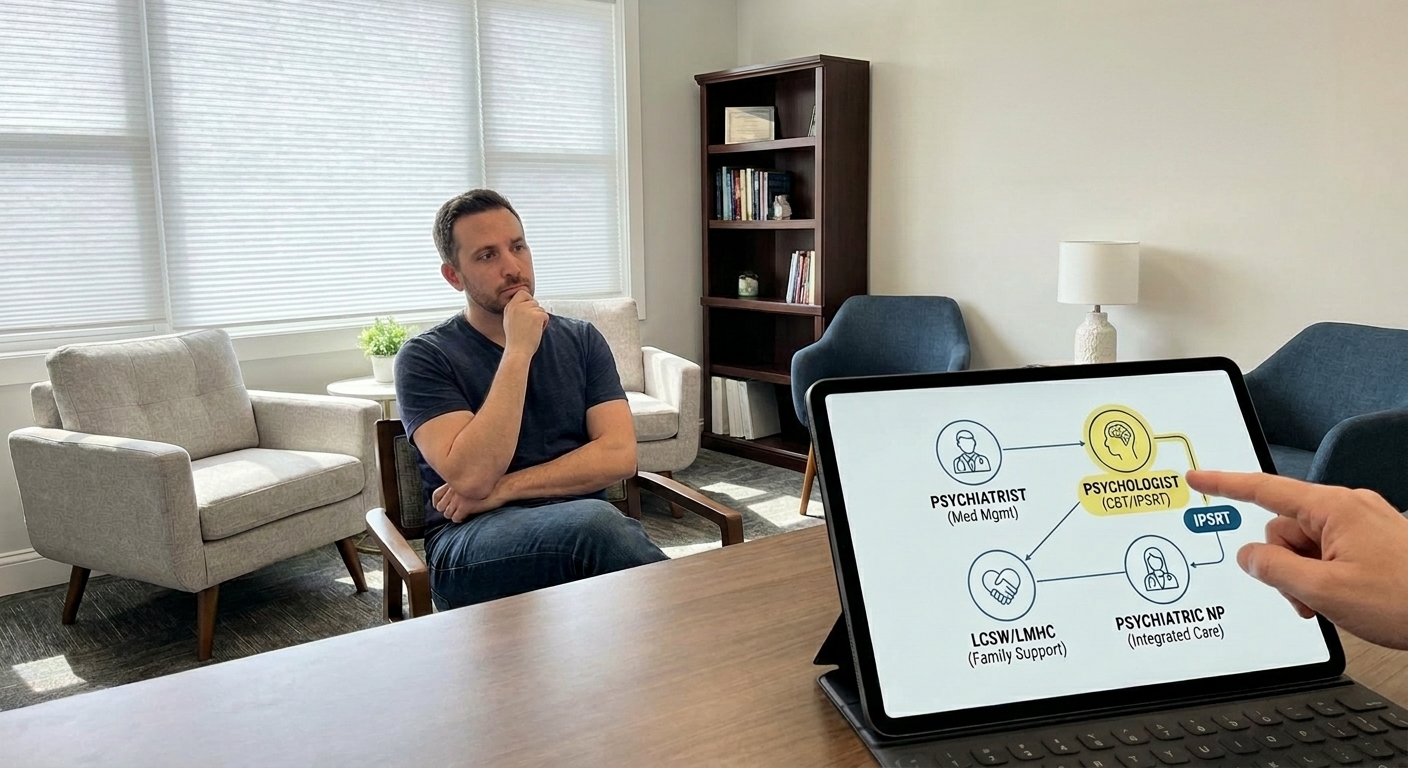
Psychiatrists are medical doctors. They diagnose, prescribe, and adjust meds when your brain chemistry shifts. Psychologists hold doctorates and deliver evidence-based therapy but can't write prescriptions. Licensed clinical social workers and mental health counselors provide talk therapy and coping strategies. Psychiatric nurse practitioners sit somewhere in between — they prescribe and counsel, often working alongside psychiatrists. Know the difference before you book the first appointment.
- Psychiatrists: Handle diagnosis and medication management, critical when mood swings require pharmaceutical intervention
- Psychologists: Deliver structured therapy without prescribing, ideal for long-term behavioral work
- LCSWs and LMHCs: Offer counseling and family support, often more accessible for regular sessions
- Psychiatric NPs: Combine prescribing power with therapeutic support, bridging the gap between psychiatry and counseling
The Therapies That Actually Work
Generic talk therapy won't cut it. Bipolar disorder responds to specific, research-backed methods that target mood regulation, routine stability, and thought patterns. If your therapist isn't using one of these approaches, you're probably in the wrong room.
Cognitive Behavioral Therapy rewires how you interpret triggers and react to stressors. Interpersonal and Social Rhythm Therapy locks down daily routines — sleep, meals, social time — because consistency keeps episodes at bay. Family-Focused Therapy pulls loved ones into the process so they understand what's happening and how to help. Psychoeducation arms you with knowledge about your condition, treatment options, and warning signs. Each method has a purpose. Each one works when applied correctly.
- CBT: Targets distorted thinking and replaces destructive patterns with functional responses
- IPSRT: Stabilizes your daily rhythm to prevent mood destabilization from irregular schedules
- Family-Focused Therapy: Strengthens communication and support systems at home
- Psychoeducation: Teaches you and your family how bipolar works and what to expect
Experience Beats Everything Else
You wouldn't hire a plumber to fix your electrical panel. Same logic applies here. A therapist who treats anxiety, depression, and "a little bit of everything" isn't the same as one who specializes in bipolar disorder. The nuances matter — recognizing hypomania before it spirals, knowing when medication needs adjustment, understanding mixed episodes.
Ask direct questions during your first consultation. How many bipolar patients have they worked with? What's their approach when someone's in a manic phase versus a depressive one? Do they collaborate with psychiatrists or other providers? If they hesitate or give vague answers, keep looking. You need someone who's seen this before and knows how to navigate it.
- Track record: Therapists with years of bipolar-specific experience spot patterns faster
- Collaborative mindset: Willingness to work with your psychiatrist or medical team is non-negotiable
- Evidence-based methods: They should name specific therapies they use, not just "supportive counseling"
- Licensing verification: Confirm they're licensed in New York and in good standing
The Relationship Has to Click
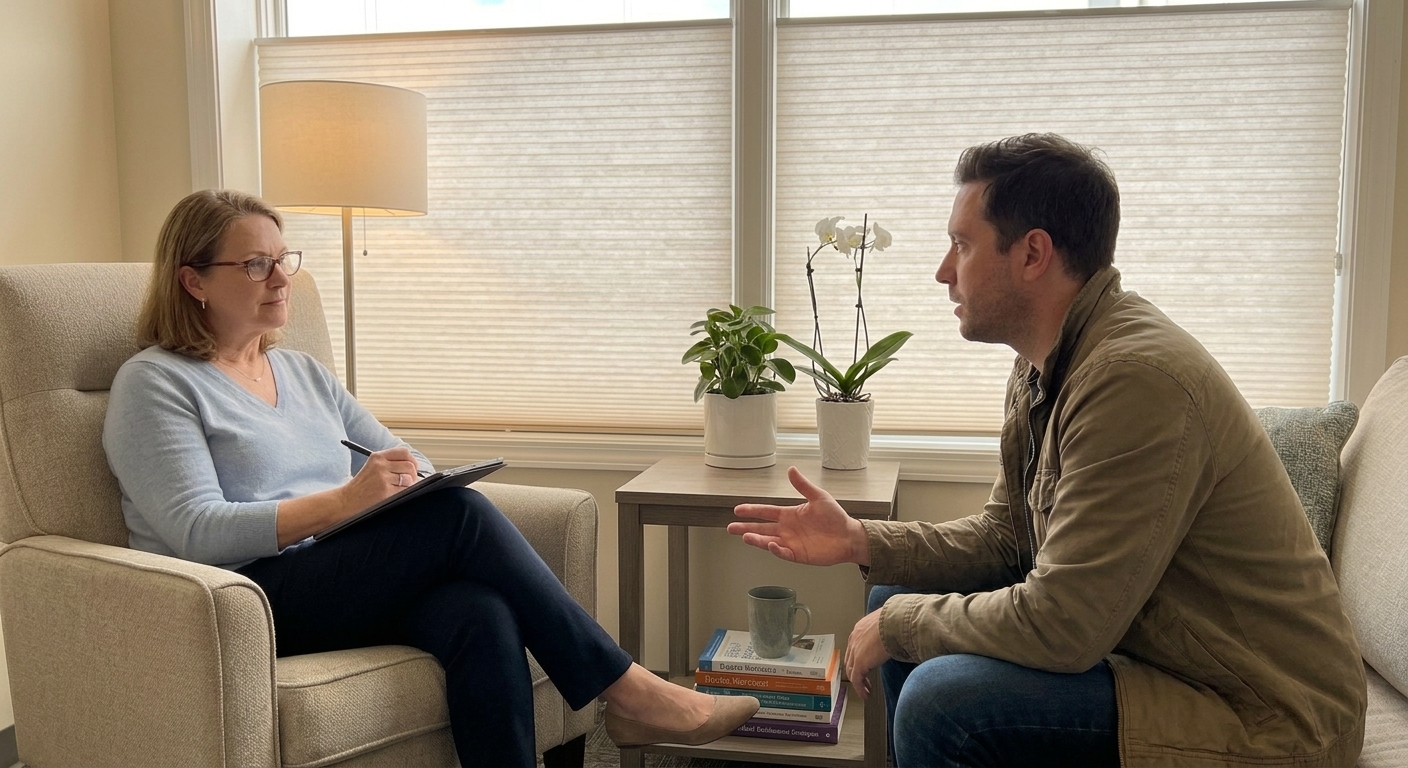
Credentials and experience get you in the door. But if you don't trust the person sitting across from you, none of it works. Psychotherapy for bipolar disorder requires honesty — about your habits, your thoughts, your slip-ups. You can't fake that with someone who makes you uncomfortable.
Schedule consultations with a few therapists before committing. Pay attention to how they listen, whether they interrupt, if they seem genuinely interested or just going through motions. Do they explain things clearly? Do they respect your questions? Trust your gut. If something feels off, it probably is.
- Communication style: They should explain concepts without talking down to you
- Availability: Regular sessions matter, so confirm their schedule aligns with yours
- Telehealth options: Flexibility helps when you're struggling to leave the house
- Comfort level: You should feel heard, not judged or dismissed
Where to Start Your Search
Don't just Google "therapist near me" and hope for the best. Start with referrals from your primary care doctor or psychiatrist — they know who's good and who's not. Online directories like Psychology Today or NAMI let you filter by specialty, insurance, and location. Read profiles carefully. Look for mentions of bipolar disorder, mood stabilization, or specific therapeutic methods.
Call a few offices. Ask about their approach, availability, and whether they accept your insurance. Some therapists offer sliding scale fees if cost is a barrier. Don't settle for the first available appointment if the fit isn't right. Schedule an appointment with professionals who specialize in mental health services that match your specific needs.
Treatment Works When You Commit
Finding the right therapist in Rockville Centre isn't about luck. It's about doing the homework, asking the right questions, and refusing to settle for mediocrity. Bipolar disorder is manageable when you have the right team in place — someone who knows the condition, uses proven methods, and treats you like a partner in the process. Skip the guesswork. Get specific. And build a support system that actually holds up when things get hard.
Let's Take the Next Step Together
Managing bipolar disorder is a journey, but we don't have to do it alone. When you're ready for real support from a team that understands what you're facing, let's connect and build a plan that works for you. Call us at 516-266-9110 or schedule an appointment to get started on a path toward stability and progress.

‹ Back
Recent Posts
-
Do You Need Therapy or Medication Management in Rockville Centre?
September 3, 2026
-
-
-

What Is The 24 Hour Rule In Rockville Centre For ADHD?
July 15, 2026
-