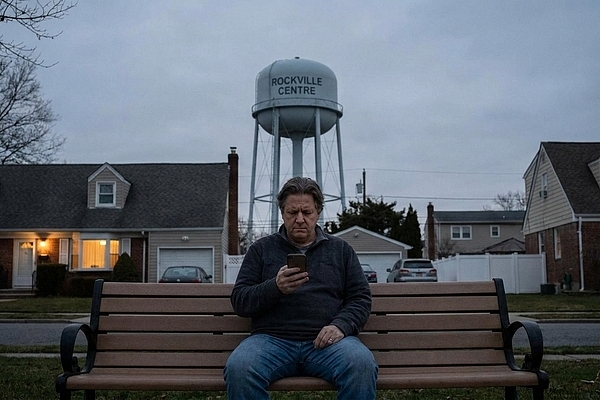



How Ketamine Therapy in Rockville Centre May Help With Bipolar Depression
Bipolar depression doesn't respond the way textbook cases do. Traditional mood stabilizers work—until they don't. Antidepressants carry risk—sometimes triggering mania when you're just trying to pull yourself out of the pit. And therapy, while essential, can only take you so far when your brain chemistry is fighting against you. That's where ketamine therapy enters the picture, and clinics in Rockville Centre are offering it as a legitimate option for people who've run out of conventional answers.
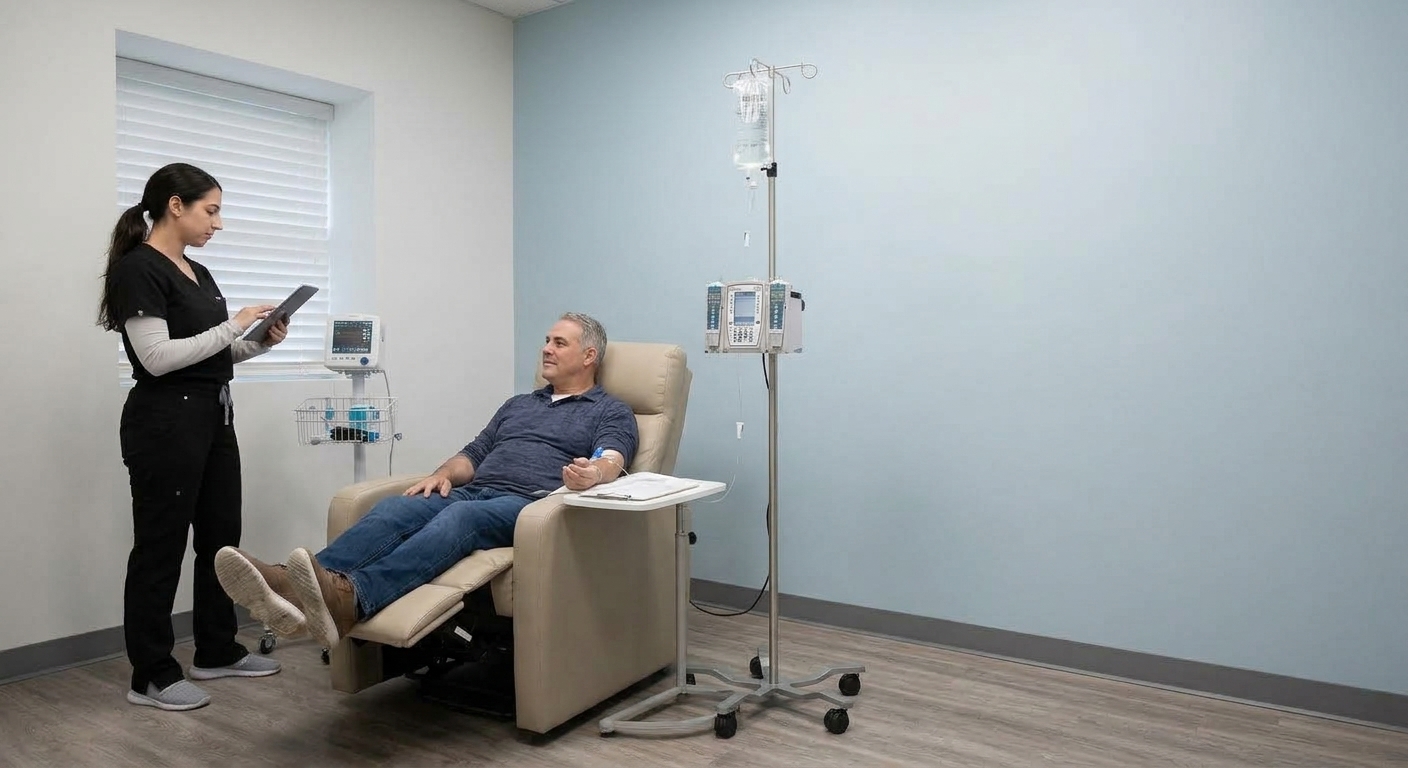
This isn't experimental anymore. We're seeing real results in patients who've cycled through medications for years without sustained relief. Ketamine works differently than anything else on the shelf, and for those dealing with treatment-resistant bipolar depression, that difference can mean the gap between functioning and barely surviving.
Bipolar Depression Hits Harder Than Most People Realize
Bipolar disorder gets reduced to mood swings in casual conversation, but the depressive episodes are brutal. You're not just sad—you're drained, foggy, disconnected from everything that used to matter. Sleep becomes either impossible or the only thing you can do. Concentration vanishes. And unlike major depression, bipolar depression resists standard antidepressant protocols because the underlying chemistry is more volatile.
Doctors have to walk a tightrope. Push too hard with antidepressants, and you risk flipping someone into mania. Under-treat the depression, and the patient stays stuck in a state that erodes their work, relationships, and sense of self. That's why alternatives like ketamine matter—they offer a pathway that doesn't follow the same risk profile.
Ketamine Isn't New, But Its Use Here Is
Ketamine has been around since the 1960s as an anesthetic. It's been used in hospitals, emergency rooms, even battlefields. What changed is how we started noticing its effects on mood—specifically, how fast it worked and how well it helped people who'd already tried everything else. Low-dose ketamine infusions started getting studied seriously in the early 2000s, and the results were hard to ignore.
Unlike SSRIs that take weeks to build up, ketamine can shift mood in hours. That speed matters when someone is in crisis or has been stuck in a depressive episode for months. Rockville Centre clinics now administer it in controlled, monitored settings, and the framework for delivering it safely is well established.
How It Actually Works in the Brain
Ketamine targets glutamate, not serotonin or dopamine like most antidepressants. Glutamate is a neurotransmitter involved in learning, memory, and neural plasticity—basically, how your brain builds and maintains connections. Bipolar depression disrupts those circuits, and ketamine appears to help rebuild them. It promotes synapse formation, strengthens weakened pathways, and resets activity in brain regions tied to mood regulation.
That's the working theory, and the clinical outcomes back it up. Patients report feeling lighter, clearer, more capable of engaging with their lives. The fog lifts. Motivation returns. And critically, the risk of triggering mania is lower than with traditional antidepressants, which makes ketamine a safer bet for bipolar patients specifically.
What Ketamine Therapy Offers That Other Treatments Don't
We're not saying ketamine replaces everything else. But it fills gaps that other therapies leave wide open, especially for people who've been treatment-resistant for years.
- Relief shows up fast, often within hours or days instead of weeks
- It works when SSRIs, SNRIs, and mood stabilizers haven't
- The risk of flipping into mania is significantly lower than with standard antidepressants
- Patients regain function—energy, focus, motivation—without the sedation or emotional blunting common with other meds
- It's administered in a clinical setting, so safety is monitored in real time
What a Session Looks Like
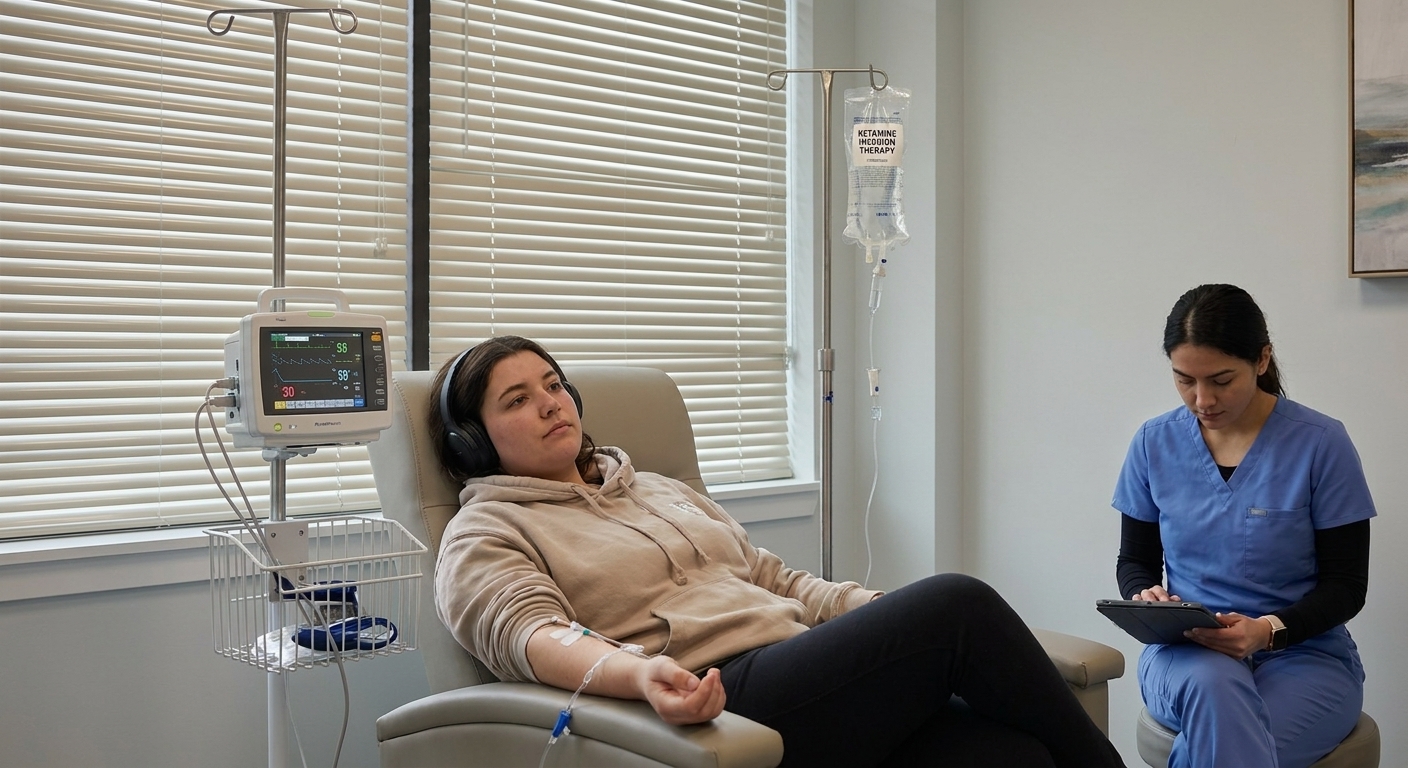
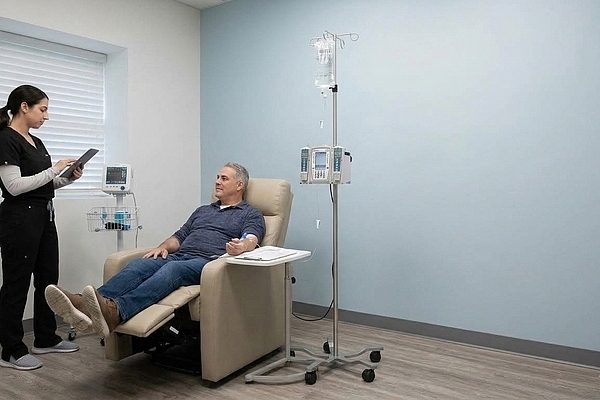
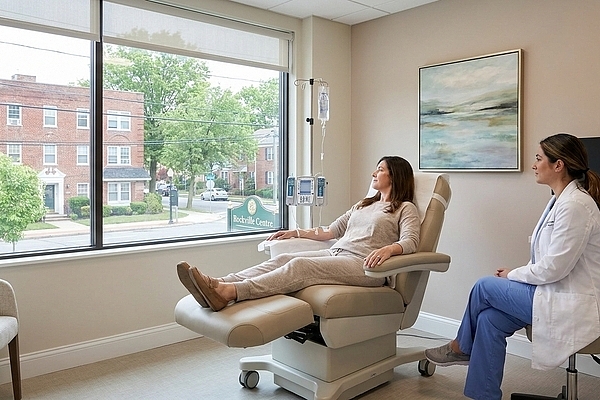
Ketamine therapy in Rockville Centre is delivered through IV infusions in most cases, though some clinics offer nasal or sublingual options depending on the patient's needs. Each session lasts about 40 to 60 minutes. You're awake, you're monitored, and the environment is designed to be calm and controlled. Most treatment plans involve a series of infusions over several weeks—typically six to eight sessions to start, with maintenance infusions as needed after that.
Before you begin, you'll go through a full evaluation. Medical history, current medications, psychiatric background—all of it gets reviewed to make sure ketamine is a safe and appropriate fit. Throughout treatment, clinicians track your response, adjust dosing if necessary, and watch for any side effects. The goal is steady, sustainable improvement, not a one-time spike that fades.
Who Shouldn't Consider It
Ketamine isn't for everyone. If you have uncontrolled hypertension, certain heart conditions, or a history of psychosis unrelated to mood episodes, it may not be safe. Substance use disorders also complicate candidacy, especially if there's a history of misuse with dissociative drugs. Pregnant or breastfeeding individuals are generally advised against it as well.
This is why the evaluation process matters. A qualified provider in Rockville Centre will walk through your full profile before making a recommendation. If ketamine isn't the right move, they'll help you find what is. But if you qualify, the potential upside is significant.
Common Questions About the Process
Patients often wonder what side effects look like, how long results last, and whether insurance covers it. Here's what we see most often in practice.
- Side effects are usually mild—nausea, dizziness, or a temporary dissociative feeling during infusion
- Most people feel noticeably better within 24 hours, though some take a few sessions to respond
- Results can last weeks or months, depending on the individual and whether maintenance sessions are used
- Insurance coverage varies, but more plans are starting to recognize ketamine for treatment-resistant depression
- Out-of-pocket costs range widely, so it's worth asking upfront what your financial commitment will be
Documentation and Follow-Up Matter
Ketamine therapy isn't a one-and-done. It's part of a broader treatment plan that should include ongoing psychotherapy, possibly therapy, and lifestyle adjustments that support mental health. Your provider in Rockville Centre should be tracking your progress closely, adjusting your plan as needed, and making sure the gains you make are sustainable.
If you're still on mood stabilizers or other medications, ketamine doesn't replace them—it works alongside them. The goal is to create a treatment stack that addresses your symptoms from multiple angles, without piling on unnecessary risk or side effects.
Why Rockville Centre Clinics Are Seeing Demand
Patients are tired of cycling through medications that don't work or cause more problems than they solve. They're looking for something that offers real relief without years of trial and error. Ketamine fits that need, especially for those with bipolar depression who've been told they're "hard to treat."
Rockville Centre clinics are equipped to deliver ketamine safely, with experienced staff who understand the nuances of bipolar disorder. That combination—proven treatment, skilled administration, and a focus on individualized care—is what's driving interest and, more importantly, results.
When to Reach Out
If you've been managing bipolar depression for years without consistent relief, ketamine therapy might be worth exploring. Talk to a qualified provider who can assess whether you're a candidate and walk you through what treatment would look like. Bring your medication history, be honest about what's worked and what hasn't, and ask the hard questions about risks, costs, and realistic outcomes.
- Have you tried at least two antidepressants without success?
- Are depressive episodes lasting longer or becoming more severe?
- Is your current medication causing intolerable side effects?
- Do you experience suicidal thoughts or severe functional impairment during depressive phases?
- Are you looking for a treatment option that works faster than traditional approaches?
Taking the Next Step
Bipolar depression doesn't have to be a life sentence of trial, error, and frustration. Ketamine therapy is giving people in Rockville Centre a real shot at stability when other treatments have failed them. It's not a miracle cure, but it's a tool—one that works fast, targets the right systems, and carries a safety profile that makes sense for bipolar patients specifically.
If you're ready to explore this option, connect with a clinic that specializes in ketamine for mood disorders. Get evaluated. Ask questions. And if ketamine turns out to be the right fit, you might finally get the relief you've been chasing for years.
Let's Find Relief Together
We know how exhausting it can be to search for answers when nothing seems to work. If you're ready to see if ketamine therapy could be the breakthrough you've been waiting for, let's talk it through together. Call us at 516-266-9110 or schedule an appointment—we're here to help you take the next step toward lasting stability and hope.
‹ Back
Recent Posts
-
-

Is It Time to Consider Medication Management in Rockville Centre?
November 12, 2026
-
Can Ketamine Therapy in Rockville Centre Help With PTSD?
October 29, 2026
-

-