



Is Anxiety in Rockville Centre Making It Hard to Focus at Work?
Anxiety doesn't just show up when you're stressed. It lingers. It sits in the background while you're trying to finish a report, respond to emails, or make it through a meeting without your mind wandering to worst-case scenarios. And if you're working in or around Rockville Centre, you already know the pressure doesn't let up. Deadlines stack. Expectations climb. And somewhere between the commute and the calendar invites, focus becomes the first casualty.
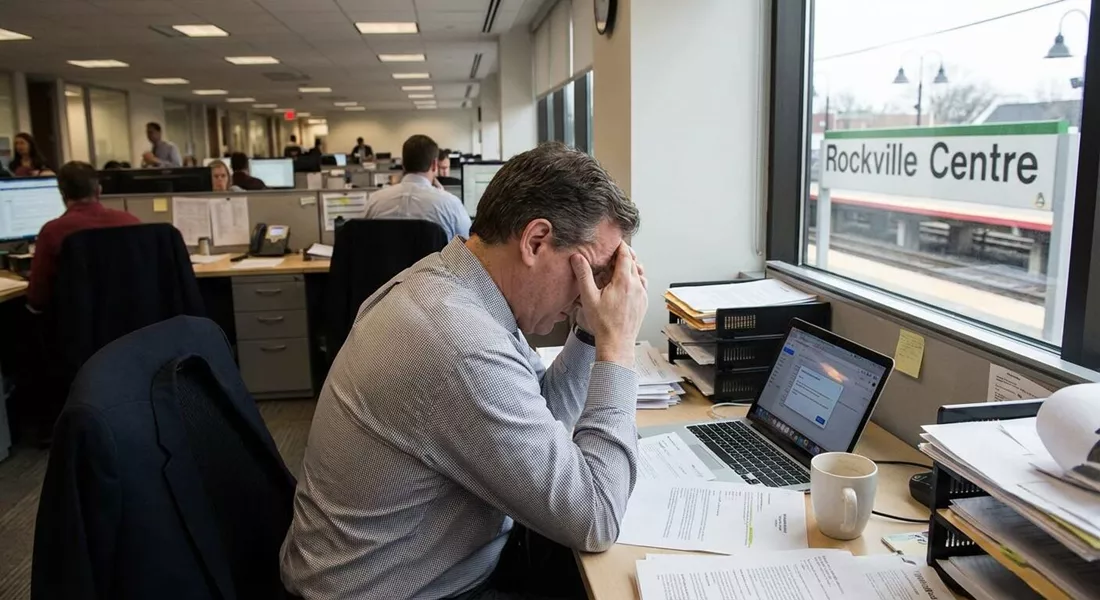
We're not talking about occasional nerves. This is the kind of anxiety that follows you into the office, settles into your workspace, and makes even routine tasks feel like they require twice the effort. It's not laziness. It's not distraction. It's your brain running interference on itself — and it costs you more than productivity.
Why Anxiety Hijacks Your Ability to Concentrate
Anxiety rewires how your brain prioritizes information. Instead of focusing on the task in front of you, your mind treats everything like a potential threat. That email you haven't answered? Suddenly urgent. That project due next week? Feels like it's due tomorrow. Your brain is trying to protect you, but in doing so, it scatters your attention across a dozen imaginary fires.
This isn't just mental noise. Anxiety triggers a physiological response — elevated heart rate, shallow breathing, muscle tension. Your body thinks it's preparing for danger, but all you're doing is sitting at a desk. The result? Cognitive overload. Your working memory shrinks. Decision-making slows. And the harder you try to push through, the more exhausting it becomes.
What It Looks Like When Anxiety Takes Over at Work
You might not always recognize anxiety for what it is. Sometimes it masquerades as procrastination or burnout. Other times, it shows up as irritability or avoidance. Here's what we see most often in professionals dealing with workplace anxiety:
- Tasks that used to take an hour now stretch into half a day
- You reread the same paragraph or email multiple times without absorbing it
- Small decisions feel paralyzing
- You avoid meetings or calls because the thought of speaking up feels overwhelming
- Physical symptoms like headaches, fatigue, or stomach issues become routine
- You check your phone or inbox compulsively, even when there's nothing urgent
If any of this sounds familiar, you're not imagining it. And you're not alone. Anxiety doesn't discriminate by job title or industry. It just finds the cracks in your routine and widens them.
Practical Moves That Actually Help
Managing anxiety at work isn't about eliminating stress entirely. It's about building systems that keep your brain from spiraling when pressure mounts. These aren't theoretical fixes — they're strategies that work when you use them consistently.
- Start your day with a clear priority list — not everything, just the top three things that matter
- Use time blocks to contain tasks and prevent them from bleeding into each other
- Step away from your desk every 90 minutes, even if it's just to walk the hallway
- Practice grounding techniques when you feel your thoughts racing — focus on your breath, name five things you can see, or press your feet into the floor
- Set boundaries around after-hours communication so your brain has time to reset
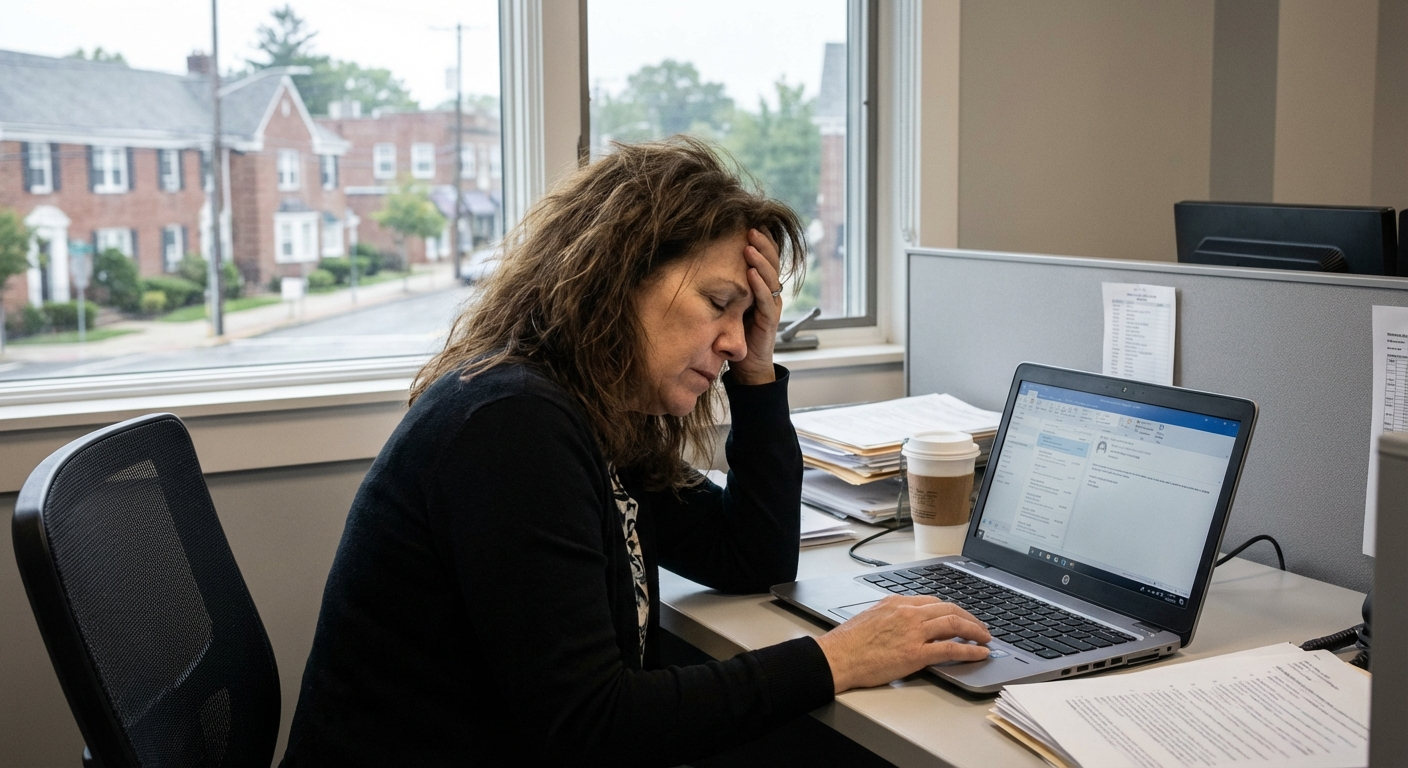
When Self-Management Isn't Enough
There's a difference between occasional stress and chronic anxiety that disrupts your ability to function. If you're losing sleep, avoiding work responsibilities, or feeling physically unwell on a regular basis, it's time to bring in support. Therapy isn't a last resort — it's a tool. And in Rockville Centre, there are professionals who specialize in helping people navigate workplace anxiety without upending their careers.
Cognitive-behavioral therapy, for example, helps you identify the thought patterns that fuel anxiety and replace them with more accurate, manageable ones. Medication may also be an option if your symptoms are severe or persistent. The key is not waiting until you're completely overwhelmed to ask for help.
What Your Employer Should Know
If anxiety is affecting your performance, consider having a conversation with your manager or HR. You don't need to share every detail, but framing it as a focus or productivity challenge opens the door to accommodations that can make a real difference.
- Flexible start times to reduce commute-related stress
- Quiet workspace options or permission to work remotely on high-pressure days
- Adjusted deadlines when workload becomes unmanageable
- Access to employee assistance programs or mental health resources
Most employers would rather support you than lose you. But they can't help if they don't know what's going on.
Building Habits That Stick
Anxiety management isn't a one-time fix. It's a practice. The more consistently you apply these strategies, the more resilient your focus becomes. That doesn't mean you'll never feel anxious again — but it does mean you'll have tools to keep it from derailing your workday.
- Track your triggers so you can anticipate and prepare for high-stress situations
- Build a morning routine that sets a calm tone before work begins
- Limit caffeine and sugar, which can amplify anxiety symptoms
- Prioritize sleep — exhaustion makes everything harder
- Check in with yourself regularly, not just when things fall apart
Getting Back to Work That Works
Anxiety doesn't have to define your career. It's a challenge, yes — but it's also manageable when you approach it with the right mindset and support. We've seen professionals in Rockville Centre and beyond regain their focus, rebuild their confidence, and perform at levels they thought were out of reach. It starts with recognizing the problem. Then it's about taking action — whether that's adjusting your daily habits, seeking professional guidance, or having honest conversations with the people who can help.
Your ability to focus isn't gone. It's just buried under layers of worry and overload. Clear those away, and you'll find it again. The work you're capable of is still there. So is the version of yourself that can do it without feeling like you're fighting your own brain every step of the way.
Let’s Tackle Anxiety Together
We know how overwhelming it can feel when anxiety keeps getting in the way of your work and your life. You don’t have to navigate this alone—let’s work together to find real solutions that help you reclaim your focus and peace of mind. If you’re ready to take the next step, give us a call at 516-266-9110 or schedule an appointment and let’s start making progress, one day at a time.

‹ Back
Recent Posts
-

-

Could Constant Worry Be Generalized Anxiety Disorder in Rockville Centre?
September 17, 2026
-

Do You Need Therapy or Medication Management in Rockville Centre?
September 3, 2026
-

-